

Youth Organization Travel Planning: Choosing the Right Bus Rental for Jamborees
Youth Organization Travel Planning: Choosing the Right
Regional jamborees bring youth organizations together for outdoor adventures, leadership development, educational programs, competitions, and community activities. While these gatherings offer valuable experiences, arranging transportation for a large group requires careful planning. Organizers must consider passenger numbers, travel distances, luggage requirements, safety procedures, and event schedules before selecting a suitable vehicle. Effective bus rental planning for youth organization jamborees helps group leaders coordinate travel more efficiently, control transportation expenses, and ensure participants arrive comfortably and on time.

Assess Your Group's Transportation Requirements
Before choosing a bus rental, organizers should establish the basic requirements of the trip. The number of participants, the distance to the venue, the duration of the jamboree, and the planned activities all influence the type of transportation needed.
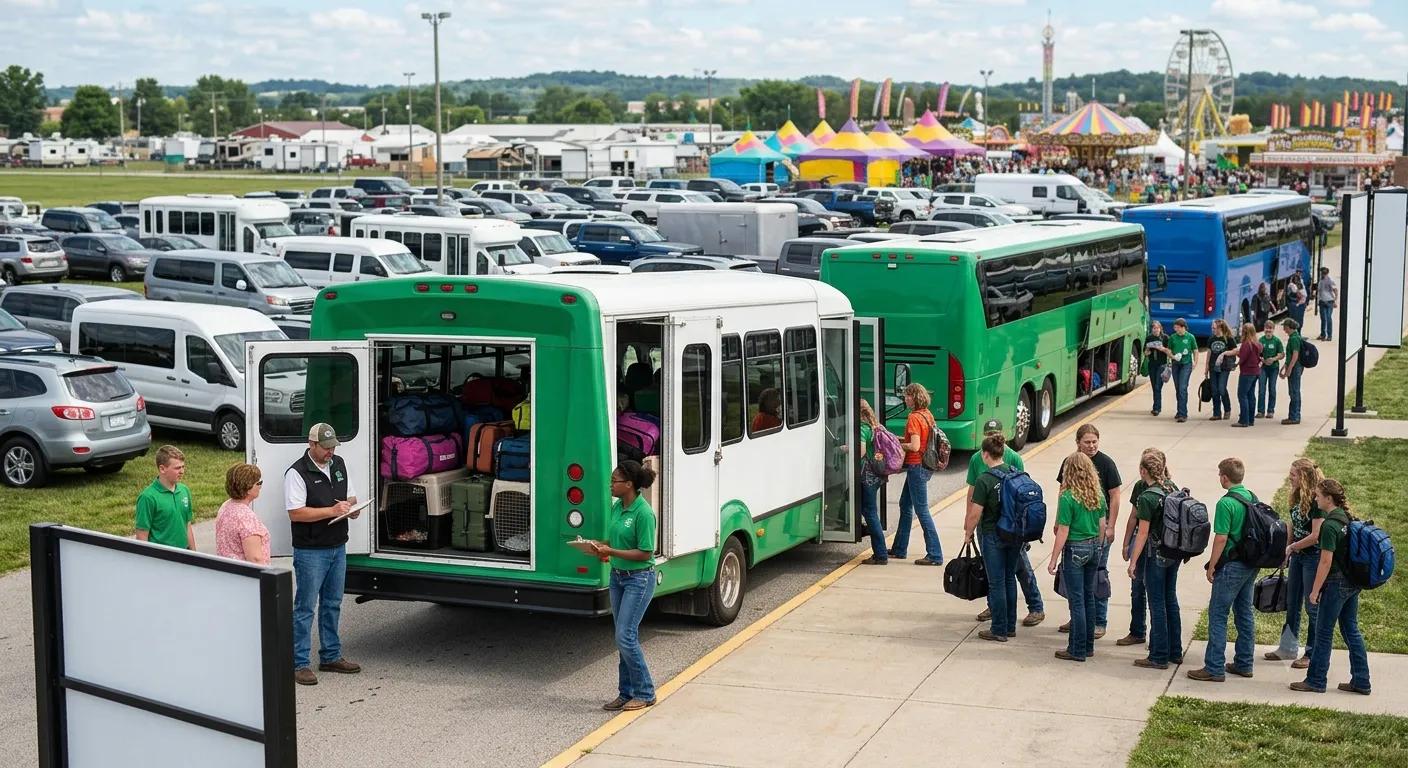
Passenger estimates should include youth members, adult chaperones, group leaders, and approved volunteers. It is equally important to consider the amount of luggage and equipment the group will carry. Outdoor jamborees may involve backpacks, sleeping bags, tents, uniforms, sports equipment, and activity supplies that require additional storage space.
Organizers should also determine whether transportation is needed only for the journey to and from the event or for transfers throughout the program. A detailed assessment makes it easier to compare rental options and avoid paying for services the group does not need.
Choose Between a Charter Bus and a Minibus
The right vehicle depends on the size of the group and the nature of the trip. Full-size charter buses are often appropriate for large youth delegations traveling longer distances. They can bring many participants together in one vehicle and may offer amenities such as climate control, comfortable seating, and luggage compartments.
Minibuses may be better suited to smaller groups, local gatherings, or short-distance transfers between accommodation and event facilities. They can also be useful when several smaller groups need transportation at different times.
When comparing vehicles, organizers should consider passenger capacity, luggage space, accessibility, and available amenities rather than relying on seating capacity alone. The selected vehicle must accommodate everyone comfortably while allowing luggage to be stored safely.
Before booking, discuss the itinerary with the rental provider and confirm that the proposed vehicle is suitable for the group's specific requirements.
Evaluate Transportation Providers Carefully
Selecting a suitable transportation company is just as important as choosing the vehicle. Organizers should research providers, review their service terms, and verify applicable licensing, insurance, driver qualifications, and vehicle maintenance practices.
It is helpful to request a detailed written quote that explains the proposed vehicle, service hours, pickup arrangements, and any additional charges. Ask how the provider handles delays, mechanical problems, itinerary changes, and other unexpected situations.
References and customer reviews may also help organizers assess reliability and communication quality. However, the final decision should consider the complete service offering, not simply the lowest advertised price.
Clear communication before booking can prevent misunderstandings and help ensure that the transportation provider understands the group's schedule, passenger needs, and event requirements.
Plan Pickup Locations and Arrival Times
A well-organized pickup schedule helps participants reach the jamboree without unnecessary delays. Organizers should select meeting points that provide safe boarding areas, sufficient parking, and convenient access for families and buses.
When participants come from multiple towns, coordinators should determine whether one central pickup location or several scheduled stops would be more practical. Multiple stops can improve convenience, but they may increase travel time and affect the overall rental cost.
Each group should receive clear instructions explaining the pickup address, boarding time, assigned bus, and contact information for its supervisor. The event venue's bus entrance, unloading area, and parking arrangements should also be confirmed before departure.
For large gatherings, staggered arrival times can reduce congestion and make unloading easier. Building reasonable time buffers into the schedule also helps accommodate traffic and boarding delays.
Prioritize Passenger Safety and Supervision
Youth transportation requires careful supervision and clear responsibilities. Organizers should verify that their selected provider meets applicable licensing and insurance requirements and follows appropriate vehicle maintenance practices.
Each bus should have designated adult supervisors who can manage attendance, communicate with the transportation coordinator, and help participants follow travel instructions. Supervisors should have access to an accurate passenger roster and relevant emergency contact information.
Attendance should be checked before departure, after relevant stops, and when the group reaches its destination. Parents or guardians should complete required permission forms and provide authorized pickup information before the trip.
Organizers should also discuss accessibility requirements, seat belt use, emergency procedures, and communication arrangements with the transportation provider. Taking these steps before travel helps create a more accountable and organized experience for everyone.
Manage the Transportation Budget Effectively
Bus rental costs depend on factors such as distance, vehicle type, travel dates, service hours, and the number of vehicles required. Organizers should request quotes early and provide accurate information about their itinerary and passenger count.
When comparing providers, review the full quoted cost rather than focusing only on the advertised base rate. Confirm whether fuel, tolls, parking, waiting time, driver accommodation, and other potential charges are included.
If several youth organizations are attending the same jamboree, coordinating travel from a shared pickup location may help reduce expenses. However, shared arrangements should remain practical for participants and must not compromise seating capacity or supervision.
Organizers should also review cancellation terms, payment deadlines, and procedures for changing the itinerary. Booking early and confirming details in writing can make budget management easier and reduce the risk of unexpected charges.
Prepare for Unexpected Travel Changes
Even a carefully planned trip can be affected by traffic congestion, severe weather, mechanical issues, or changes to the event schedule. Organizers should establish a contingency plan before departure.
A designated transportation coordinator can serve as the main contact for drivers, group leaders, and event staff. This person should know how to obtain updates from the provider and communicate important changes to parents or guardians.
The itinerary should include reasonable time buffers, especially when participants must arrive before registration or an opening ceremony. For multi-day jamborees, organizers should confirm whether the bus will remain available during the event or return only for the scheduled departure.
Preparing for these possibilities helps organizers respond calmly and maintain appropriate supervision when plans change.
Conclusion
Choosing the right bus rental for a youth organization jamboree involves more than comparing prices. Organizers need to evaluate passenger capacity, luggage requirements, vehicle amenities, pickup arrangements, safety procedures, and the complete transportation budget.
By confirming travel requirements early, comparing reputable providers, and developing a detailed itinerary, youth leaders can coordinate transportation more efficiently. Clear communication with parents, chaperones, drivers, and event staff further supports a smooth journey.
With the right planning, charter bus transportation can help youth organizations bring participants together comfortably and reliably, allowing everyone to focus on leadership development, outdoor activities, teamwork, and the experiences that make jamborees memorable.