

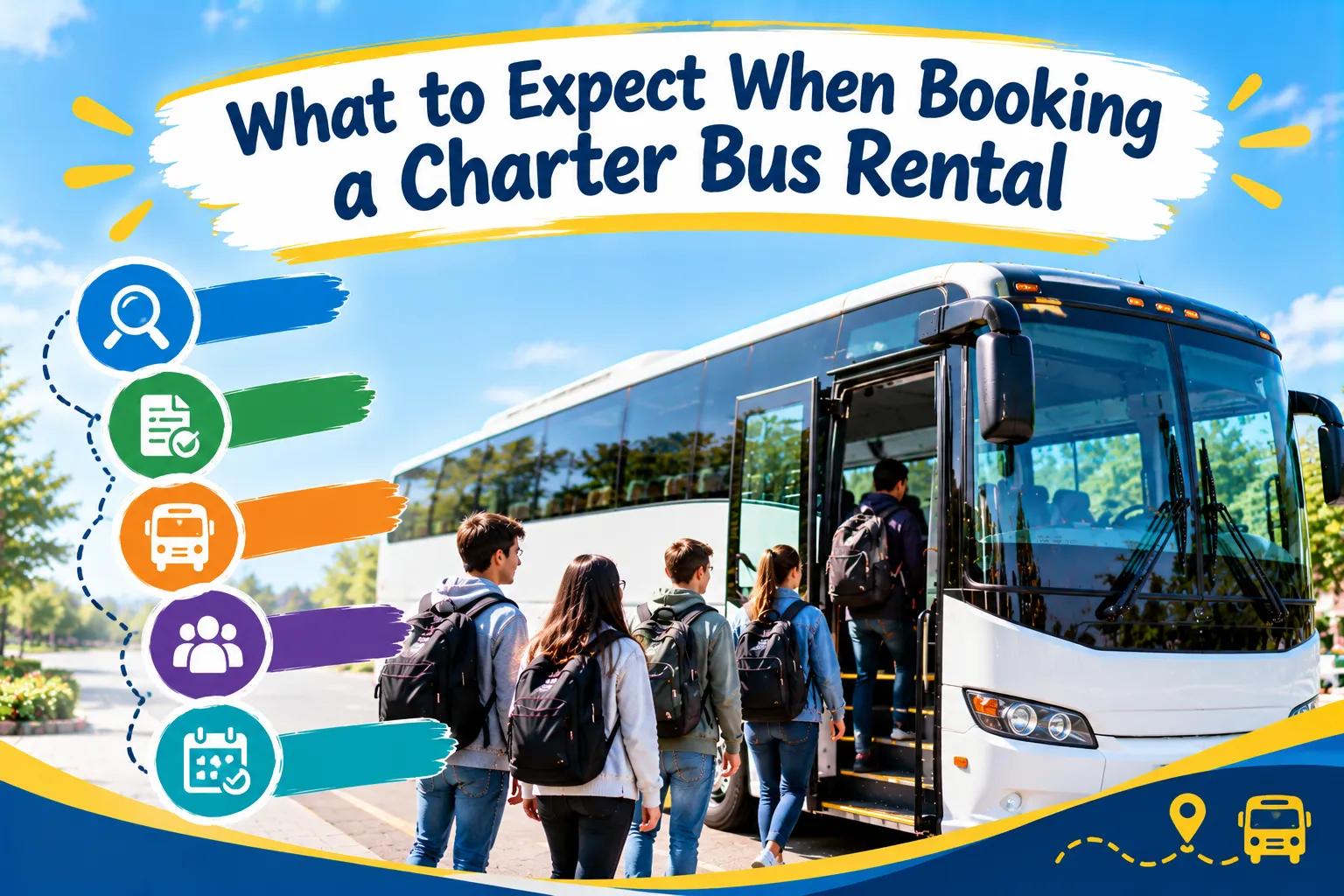
What to Expect When Booking a Charter Bus Rental
Booking a charter bus rental can simplify transportation for groups attending weddings, corporate events, school trips, sporting competitions, and family vacations. Instead of coordinating several cars or relying on public transportation, travelers can arrange a private vehicle that follows their planned schedule. For first-time renters, understanding the reservation process, available amenities, and potential costs is essential. This guide to charter bus rental inclusions provides helpful information about what a booking may cover and which details deserve attention before confirming a reservation.

Understanding Your Charter Bus Rental Options
The first step in booking a charter bus is selecting a vehicle that suits your group. Transportation providers may offer full-size motorcoaches, minibuses, and other vehicles designed for different passenger capacities and travel requirements.
Full-size charter buses are often suitable for large groups traveling to conferences, school excursions, sporting events, or destinations several hours away. Minibuses can be a practical option for smaller groups, hotel transfers, local events, and short-distance transportation.
When choosing a vehicle, consider the number of passengers, luggage requirements, trip duration, and amenities needed during the journey. Selecting the right size helps provide comfortable seating without paying for more capacity than your group requires.
Preparing Information Before Requesting a Quote
Before contacting a rental company, prepare the essential details of your trip. These usually include the travel date, pickup location, destination, passenger count, departure time, and expected return time.
If your itinerary includes multiple stops, hotel transfers, or several event locations, communicate those arrangements from the beginning. The transportation provider needs accurate information to estimate travel time, recommend a suitable vehicle, and prepare an appropriate quote.
You should also mention special requirements, such as wheelchair accessibility, additional luggage space, or particular onboard amenities. Providing complete details makes it easier to compare quotes and reduces the likelihood of unexpected changes later.
What Happens When You Receive a Rental Quote?
After receiving your trip information, the charter bus company can provide a quote based on the requested service. Pricing may depend on the vehicle type, mileage, rental duration, season, and complexity of the itinerary.
Some providers calculate local trips by the hour, while longer journeys may be priced by mileage, daily rates, or a customized trip rate. Additional expenses may include tolls, parking, fuel surcharges, driver gratuities, and overnight accommodations, depending on the agreement.
Do not assume that every quote covers the same services. Request an itemized breakdown that identifies the base rental price, applicable taxes, included services, and any potential additional charges. Comparing complete quotes rather than headline prices helps you determine which option offers the best value.
Reviewing Amenities and Included Services
Once you have selected a suitable vehicle, confirm which amenities are available. Many charter buses provide comfortable seats, climate control, and storage compartments for passengers' belongings.
Depending on the vehicle, additional features may include reclining seats, Wi-Fi, charging ports, entertainment systems, and onboard restrooms. These amenities can improve the experience, particularly on long-distance journeys, but they are not guaranteed on every bus.
The booking agreement should clearly identify any features that are important to your group. For example, a sports team may need substantial luggage storage, while corporate travelers may prefer charging facilities and reliable internet access.
Confirming these details in advance helps ensure that the assigned vehicle matches your expectations.
Understanding Deposits and Rental Agreements
After choosing a vehicle and reviewing the quote, the next step is usually to confirm the reservation. Many transportation providers require a deposit or initial payment to secure the booking, with the remaining balance due according to the contract.
Before paying, read the rental agreement carefully. Check the total price, payment deadlines, cancellation policy, refund conditions, and procedures for changing the itinerary.
You should also verify the agreed pickup time, locations, vehicle capacity, and rental duration. If the trip involves a wedding or conference with a strict schedule, confirm how overtime and unexpected delays will be handled.
Keeping a copy of the signed agreement and payment confirmation gives the organizer a reliable reference throughout the planning process.
Preparing for the Day of Travel
Good preparation continues after the reservation is confirmed. As the travel date approaches, review the itinerary and ensure that all passengers know where and when to meet.
Choose a pickup location that allows the bus to stop safely and passengers to board without unnecessary delays. For large events, communicate the exact meeting point rather than providing only a general street address or venue name.
Allow enough time for passenger boarding, luggage loading, and traffic conditions. If the group is traveling to an airport, stadium, conference center, or wedding venue, consider possible congestion around arrival and departure times.
It is also helpful to identify a group coordinator who can communicate with the transportation provider and assist passengers with questions about the schedule.
Communicating Changes and Special Requests
Travel plans can change because of weather, event delays, additional passengers, or unexpected scheduling conflicts. If your itinerary changes after booking, contact the rental company as early as possible.
Additional stops, extended waiting periods, changes to pickup times, or a longer return journey may affect the rental price. Some requests may also depend on vehicle availability and driver scheduling requirements.
For longer trips, the transportation company may need to adjust the itinerary to accommodate driver rest periods and applicable operating regulations. Discussing potential changes early helps everyone understand what is possible and whether additional charges will apply.
Clear communication reduces confusion and supports a smoother experience for passengers and organizers alike.
Choosing a Reliable Charter Bus Rental Company
Price matters, but it should not be the only factor in selecting a transportation provider. Consider the company's communication, customer service, insurance arrangements, safety practices, and willingness to explain its booking terms.
Ask which transportation company will operate the trip if a broker or booking service is involved. Confirm the assigned vehicle's passenger capacity and request clarification about the provider's procedures for handling breakdowns, delays, or other unexpected problems.
A company that provides clear written terms and answers questions directly makes the booking process easier to manage. Comparing several providers using the same itinerary can help you make a more informed decision.
Conclusion
Booking a charter bus rental becomes much easier when you understand each stage of the process, from selecting a vehicle and requesting a quote to reviewing the contract and preparing for departure. Clear trip details, confirmed amenities, transparent pricing, and written booking terms help prevent misunderstandings and unexpected expenses.
By planning ahead, communicating special requirements, and choosing a transportation provider that meets your group's needs, you can arrange dependable transportation for corporate functions, school outings, weddings, sports events, and other group activities. A well-organized reservation allows passengers to focus on their destination while the transportation arrangements remain clear and coordinated.