

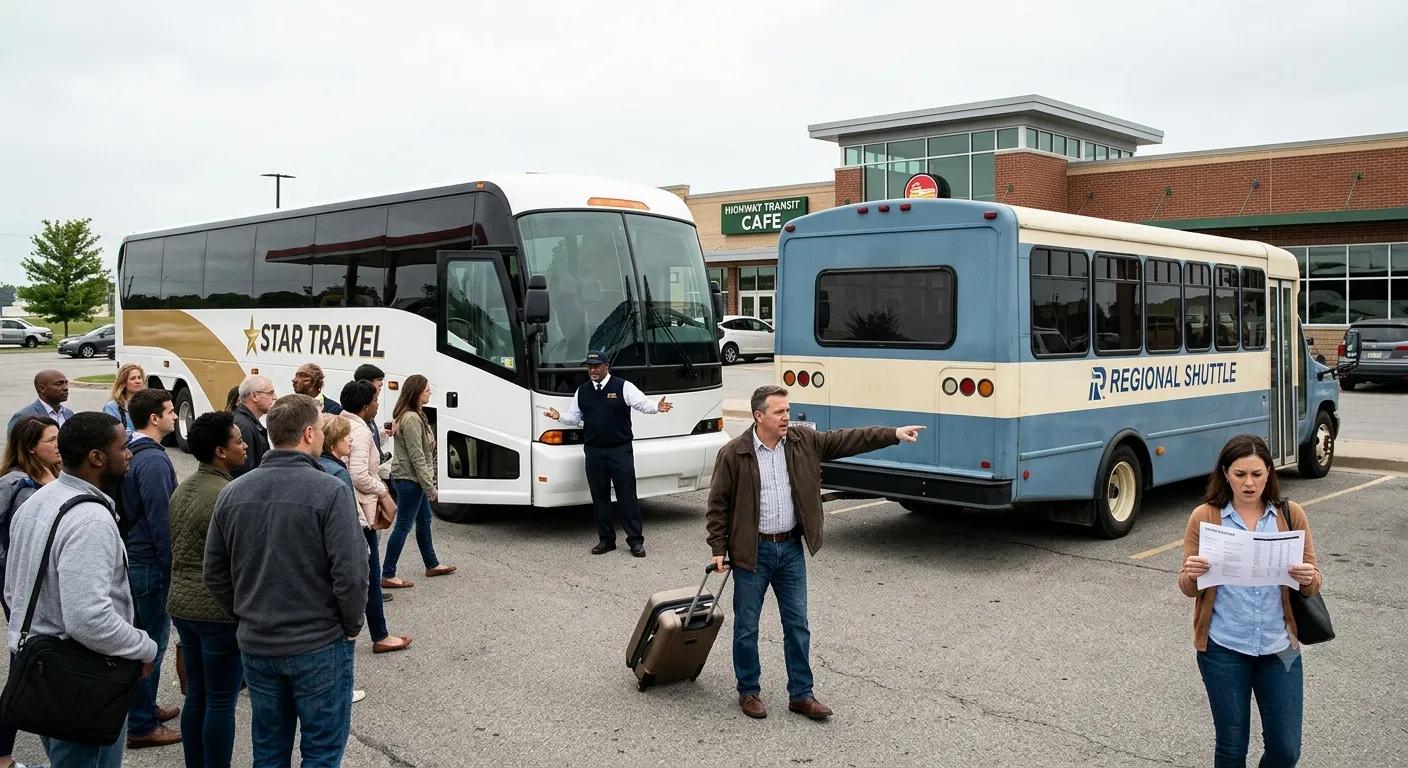
What to Do When Your Reserved Charter Bus
Reserving a charter bus in advance helps make group transportation easier to organize, but unexpected situations can sometimes leave the originally scheduled vehicle unavailable. Mechanical problems, maintenance requirements, scheduling conflicts, or other operational issues may require a transportation company to make alternative arrangements. Understanding what happens when a reserved charter bus becomes unavailable can help travelers respond calmly, protect their booking interests, and minimize disruptions. Whether you are arranging transportation for a corporate meeting, wedding, school excursion, sporting event, or family vacation, knowing what steps to take can help keep your travel plans on track.

Why Might Your Reserved Charter Bus Be Unavailable?
There are several reasons why a charter bus may not be available as originally planned. Mechanical issues are one possibility. If a bus develops a technical problem or requires unexpected repairs, the provider may need to remove it from service to address the issue.
Maintenance requirements can also affect fleet availability. Charter buses need regular inspections and servicing, and unexpected maintenance may interfere with a scheduled reservation.
Scheduling conflicts are another possible reason. An earlier trip may be delayed, a vehicle may become unavailable, or changing operational requirements may affect the planned vehicle assignment. Severe weather and other unexpected circumstances can also create transportation challenges.
Although these situations can be inconvenient, an unavailable vehicle does not automatically mean your trip will be canceled. The company may be able to assign another suitable bus or discuss alternative arrangements with you.
Contact the Charter Bus Company Immediately
If you learn that your reserved bus is unavailable, contact the transportation provider as soon as possible. Prompt communication gives you more time to understand the situation and determine whether the revised arrangements will meet your needs.
Ask why the originally assigned vehicle is unavailable and whether the company has a replacement ready. Request clear details about the proposed solution, including the type of vehicle, passenger capacity, and expected departure time.
If your trip involves several scheduled activities, explain the timing requirements to the provider. For example, transportation to an airport, wedding venue, conference, or sporting event may require arrival at a specific time.
Keep your original booking confirmation nearby when contacting the company. This will help you compare the revised proposal with the service you originally reserved and make it easier to identify any important differences.
Confirm Whether a Replacement Bus Is Available
When the original vehicle cannot be provided, a suitable replacement may allow the trip to continue. However, you should not assume that every replacement will automatically meet your group's requirements.
Confirm the replacement bus's passenger capacity and ensure there are enough appropriate seats for everyone traveling. If the new vehicle is smaller than the originally reserved bus, discuss how the provider intends to accommodate the complete group.
Luggage capacity is equally important. Groups carrying suitcases, sporting equipment, musical instruments, or event supplies should verify that the replacement offers enough storage space.
You should also confirm the vehicle category and any specific requirements included in your reservation. If the agreement identifies particular vehicle features or service standards, ask the company how the proposed replacement compares with those commitments.
The objective is to establish whether the alternative arrangement is practical and consistent with the terms of your booking.
Check the Amenities and Accessibility Requirements
Different charter buses can offer different amenities. Depending on the vehicle, these may include air conditioning, reclining seats, restrooms, Wi-Fi, power outlets, entertainment systems, and additional luggage storage.
If a particular feature was important when you made the reservation, verify its availability before accepting the replacement arrangement. A missing amenity may have a greater effect on longer journeys than on short local transfers.
Accessibility also deserves careful attention. If a passenger requires accessible boarding, mobility equipment space, or another specific accommodation, inform the provider and confirm that the replacement can meet that requirement.
For school groups, corporate teams, wedding parties, and organized tours, checking these details in advance helps prevent unnecessary difficulties on the day of travel.
If the replacement does not satisfy an essential requirement, explain the concern to the company and ask whether another suitable vehicle is available.
Review Your Booking Agreement and Options
Your reservation agreement is an important source of information when the original bus becomes unavailable. It may explain the company's substitution policy, the circumstances in which a different vehicle can be assigned, and the procedures for communicating service changes.
Read the agreement carefully to understand what the provider committed to supply. Pay particular attention to any specifications concerning vehicle type, seating capacity, amenities, pickup arrangements, and cancellation terms.
If the replacement differs significantly from the agreed service, ask the company to explain your available options. Depending on the contract, the circumstances, and applicable laws, possible solutions may include an alternative vehicle or other remedies.
Do not assume that an unavailable bus automatically entitles you to a refund, discount, or penalty-free cancellation. These outcomes depend on the relevant terms and circumstances.
If the company proposes a revised arrangement, request written confirmation so you have a clear record of what has changed and what has been agreed.
Protect Your Travel Schedule
An unavailable charter bus can affect your itinerary if a replacement takes time to arrange. This is especially important when your group has strict arrival deadlines or activities planned throughout the day.
Ask the provider whether the revised arrangement will affect the pickup time, route, or estimated arrival. If you are traveling to an airport, find out whether the updated schedule still allows enough time to reach the terminal. For weddings, conferences, and sporting events, check whether the group can arrive before the scheduled start.
Keep the group organizer informed of any confirmed changes. Passengers should know the correct meeting point, updated departure time, and any revised vehicle identification details.
If the original schedule cannot be maintained, discuss possible alternatives with the transportation provider promptly. Clear communication can help your group make practical decisions before the disruption becomes more difficult to manage.
Document Important Communications
When transportation arrangements change, keeping written records can help prevent misunderstandings. Save the original booking confirmation, emails, text messages, and any updated reservation details.
Ask the provider to confirm the replacement vehicle, pickup instructions, departure time, and any agreed changes in writing. If you have raised concerns about passenger capacity, accessibility, or missing amenities, retain the company's response.
Written records can be useful if there is later disagreement about the original booking or the revised service. They also help group organizers share accurate information with colleagues, family members, students, or event participants.
Keep your communication professional and focus on the specific requirements that need to be resolved. This approach can make it easier for both parties to identify an appropriate solution.
How to Prevent Similar Problems in the Future
Although not every vehicle availability issue can be prevented, careful planning can reduce uncertainty. When reserving transportation, ask the provider about its vehicle substitution policy and how it handles unexpected unavailability.
Provide accurate information about passenger numbers, luggage, accessibility requirements, and essential amenities. Booking in advance can also give the provider more time to coordinate the fleet and plan for your trip.
Before departure, reconfirm the pickup details and make sure the group organizer has the transportation company's contact information. For important events, allow reasonable flexibility wherever possible and share updates with passengers promptly.
Choosing a provider that communicates its booking terms clearly can make unexpected changes easier to handle.
Conclusion
Finding out that your reserved charter bus is unavailable can be stressful, especially when your group has a fixed schedule. However, taking prompt and organized action can help you identify a suitable solution and reduce the impact on your trip.
Contact the transportation provider immediately, confirm the availability and suitability of a replacement, review your booking agreement, and verify any changes to your itinerary. Keep written records of important communications and make sure every passenger receives accurate updates.
By understanding your options and communicating clearly with the provider, you can manage unexpected transportation changes more confidently. Preparing in advance helps protect your group's requirements and keeps your focus on reaching the destination safely and comfortably.