

Smart Budget Planning Tips for Corporate Group
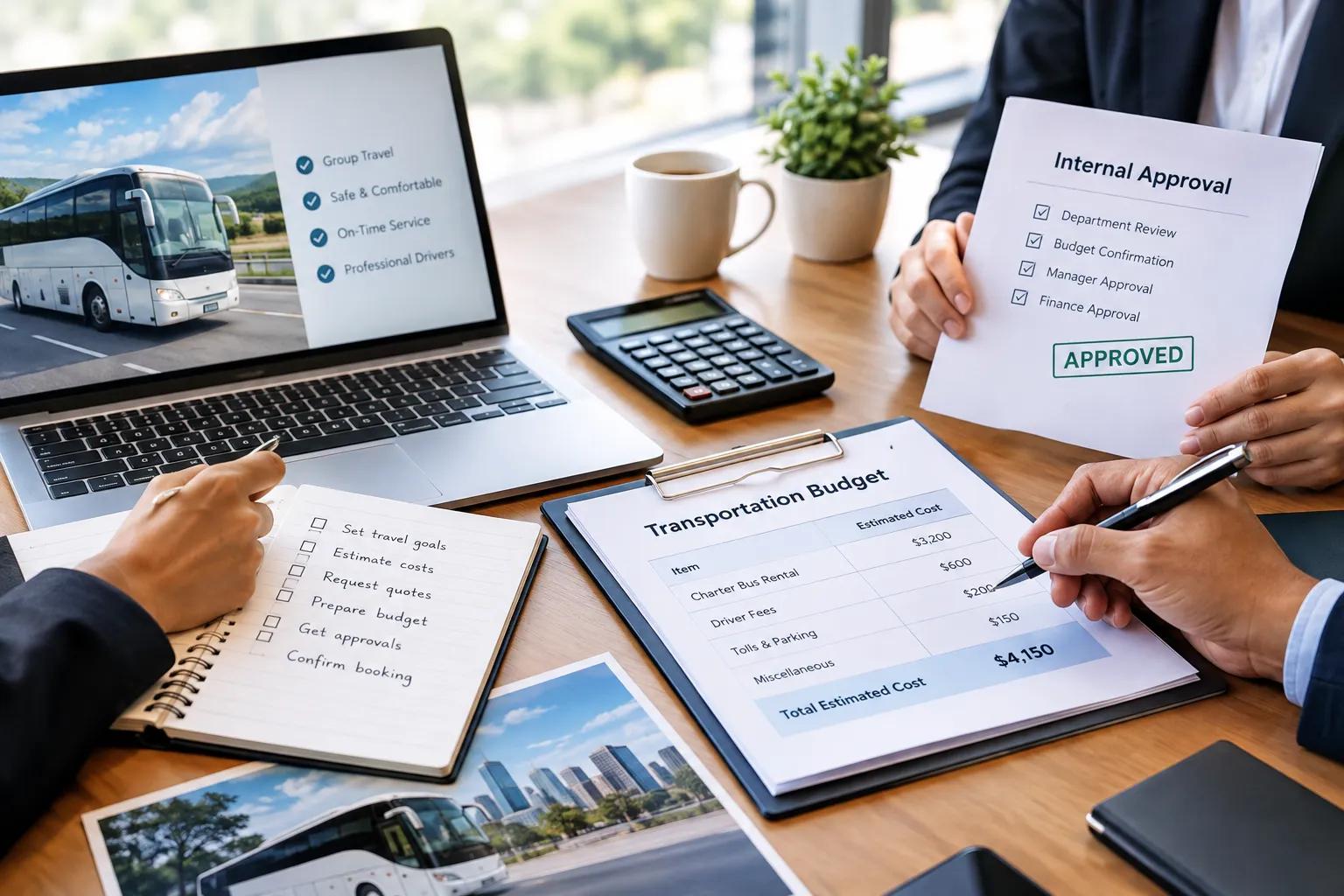
Planning transportation for corporate meetings, conferences, employee outings, and business events requires a balance between cost control, convenience, and reliability. Companies need transportation arrangements that keep employees organized, support professional schedules, and fit within approved budgets. Without proper planning, unexpected charges and last-minute changes can increase expenses. Applying effective corporate group transportation budgeting strategies helps businesses estimate costs, compare transportation options, and prepare a practical plan before confirming reservations.

Define Your Corporate Transportation Requirements
The first step in corporate transportation budgeting is identifying the exact needs of the business. Consider the purpose of the trip, the number of employees traveling, the destination, and the expected duration. Transportation for a one-day company meeting may require a different arrangement from a multi-day conference or an employee appreciation event.
Determine whether employees will travel from a central office, multiple pickup points, a hotel, or an airport. Establish the departure and return times and identify any stops required throughout the day. These details help transportation providers calculate more accurate estimates.
A clear understanding of the itinerary also prevents unnecessary expenses caused by additional mileage, extended rental hours, or changes that could have been avoided with better preparation.
Establish a Realistic Transportation Budget
Before requesting quotes, establish how much the company can reasonably spend on transportation. Review the available departmental budget and consider the importance of the trip, the number of passengers, and the services required.
Your estimate should account for the vehicle rental, driver services, applicable taxes, tolls, parking, and any other charges relevant to the itinerary. Depending on the provider and trip arrangements, some expenses may already be included in the quoted price.
Ask for a detailed estimate that explains the total expected cost. If the schedule or passenger count is not finalized, identify the assumptions used to calculate the budget.
It is also helpful to establish a reasonable contingency allowance for unexpected changes. Any reserve should follow company budgeting policies and should not be treated as automatic permission to exceed the approved spending limit.
Select the Right Vehicle for Your Employees
Choosing an appropriate vehicle can significantly influence corporate transportation expenses. The objective is to accommodate the group comfortably without paying for unnecessary capacity or arranging multiple vehicles when one would be sufficient.
Minibuses may suit smaller teams attending local meetings, training sessions, or business dinners. Full-size charter buses may be more appropriate for larger employee groups traveling to conferences, corporate retreats, trade shows, or company-wide events.
Consider seating capacity, luggage requirements, accessibility needs, and the distance involved. Airport transfers may require additional space for suitcases, while conference transportation may prioritize convenient boarding and coordinated arrivals.
Request pricing for suitable vehicle options and compare the overall cost rather than selecting a vehicle based only on its size. The right choice should support the company's schedule while keeping expenses reasonable.
Compare Charter Bus Providers and Their Quotes
Comparing multiple transportation providers can help businesses understand available services and make better financial decisions. For a useful comparison, provide each provider with the same travel dates, passenger count, itinerary, pickup locations, and expected rental duration.
Review the total quoted price alongside the services included, cancellation terms, payment requirements, and potential additional charges. Ask whether the quoted rate covers fuel, driver services, and other expenses relevant to the journey.
Price should not be the only consideration. Companies should also verify applicable licensing and insurance information and ask about vehicle maintenance, driver qualifications, and contingency arrangements.
A provider offering transparent pricing and dependable service may deliver better overall value than an option with a lower initial quote but unclear conditions. Documenting these comparisons also gives managers a clear explanation for the final selection.
Reduce Costs Through Better Scheduling
Corporate transportation expenses can often be controlled through careful scheduling. Confirming the itinerary early helps businesses avoid last-minute arrangements and provides more time to compare available vehicles.
Where practical, coordinate employee arrival times and use convenient pickup locations. This can reduce unnecessary stops and simplify the journey. For events involving several departments, a shared transportation plan may also reduce the need for separate bookings.
Review the expected rental duration carefully. If a vehicle is needed only for transfers at specific times, ask whether a transfer-based arrangement is more appropriate than reserving it for an entire day. Conversely, a vehicle retained throughout the event may be more practical when attendees need several transfers.
The best arrangement depends on the schedule, availability, and provider pricing. Evaluate alternatives before making a decision instead of assuming that one booking structure will always be less expensive.
Prepare a Corporate Transportation Proposal
Many companies require managerial or finance approval before transportation can be booked. A professional proposal should explain the purpose of the trip, the proposed travel arrangements, the estimated total cost, and the reason for selecting the recommended option.
Include the passenger count, itinerary, vehicle type, and a breakdown of expected expenses. If you obtained several quotes, summarize the main differences and explain how the preferred provider meets the company's requirements.
Connect the expense to a practical business objective. For example, coordinated transportation may help employees reach a conference together, simplify logistics for a corporate event, or reduce the administrative burden of managing individual travel arrangements.
Attach supporting quotes and follow the company's purchasing procedures. Clear documentation allows decision-makers to evaluate the request efficiently and determine whether it fits within the approved budget.
Track Spending and Manage Changes
Budget planning should continue after the transportation reservation is confirmed. Keep the approved proposal, quote, booking confirmation, invoices, and payment records together so the company can monitor expenses accurately.
If the number of passengers changes or the itinerary requires additional stops, ask the provider whether the adjustment affects the final price. Communicate significant changes to the appropriate manager and obtain additional authorization when required.
After the event, compare the final invoice with the original budget. Identify whether differences resulted from schedule extensions, additional services, or changes in passenger requirements.
This review helps businesses improve future estimates and identify opportunities to manage recurring transportation expenses more effectively.
Conclusion
Smart budget planning makes corporate group transportation easier to organize and manage financially. By defining travel requirements, selecting suitable vehicles, comparing detailed quotes, and coordinating schedules, companies can control unnecessary expenses while maintaining reliable transportation for employees and business guests.
Preparing a transparent proposal and obtaining internal approval before booking also supports financial accountability. With early planning, accurate documentation, and careful expense tracking, businesses can arrange efficient group travel that supports their operational goals and stays within the approved budget.