

Scout Camp Travel Logistics: Managing Group Arrivals, Departures, and Luggage
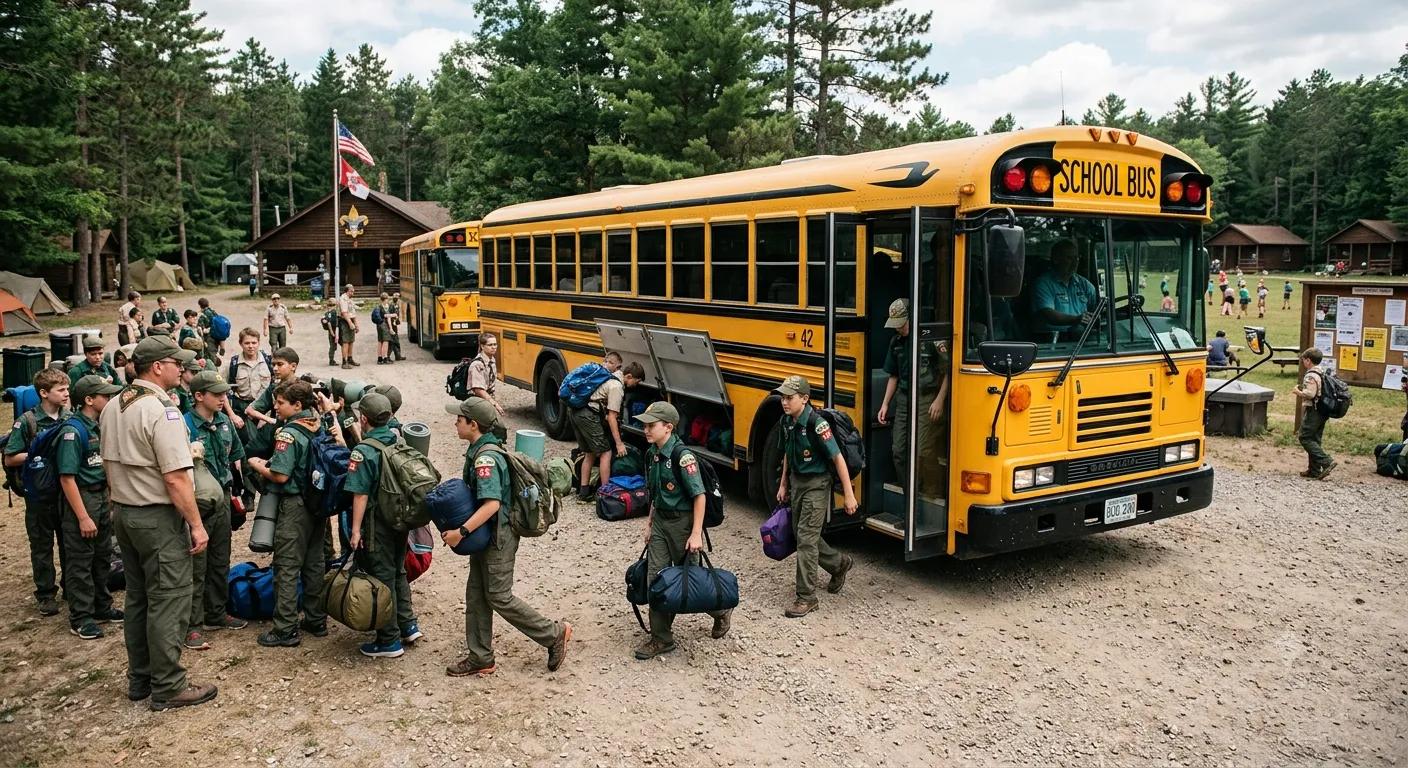
Scout Camp Travel Logistics: Managing Group Arrivals
Organizing transportation for a scout camp involves much more than reserving a bus. Troop leaders must coordinate arrival times, departure schedules, passenger supervision, and the equipment each participant needs for the trip. Backpacks, sleeping bags, tents, and shared camping supplies can make travel-day logistics particularly challenging. A structured plan for scout camp group transportation helps leaders keep participants together, organize luggage efficiently, and reduce confusion at pickup and drop-off locations.
Before finalizing travel arrangements, organizers can review this guide to coordinating scout camp bus arrivals and departures for additional planning considerations. With the right preparation, scouting organizations can make group travel more predictable and help participants begin their outdoor adventures on a positive note.

Plan Transportation Around the Camp Schedule
The first step is to confirm the camp's official check-in and check-out times. These schedules determine when the bus should arrive and how much time the group needs for boarding, unloading, registration, and equipment checks.
Work backward from the required arrival time to establish a realistic departure schedule. Include time for traffic, rest stops, and loading camping gear. For the return journey, coordinate the pickup with campsite inspections, closing activities, and the time needed to pack personal belongings.
Share the finalized itinerary with adult leaders, parents, camp staff, and the transportation provider. Everyone should know the meeting location, departure time, expected arrival window, and the person responsible for communicating schedule changes.
Choose a Bus That Fits Your Group and Equipment
Selecting the appropriate vehicle helps prevent seating and storage problems. A small troop traveling to a nearby campsite may need a minibus, while a larger group with substantial equipment may benefit from a full-size charter bus.
Passenger numbers should be considered alongside luggage requirements. Scouts may bring backpacks, sleeping bags, tents, footlockers, and shared patrol equipment. A vehicle with sufficient seats may not necessarily have enough storage for all these belongings.
Before booking, provide the transportation company with an accurate passenger count and an estimate of the equipment's size and quantity. Ask about luggage compartment dimensions, storage limitations, and restrictions on bulky items.
For longer journeys, amenities such as air conditioning, comfortable seating, and an onboard restroom, when available, may improve passenger comfort. The final choice should reflect the group's size, journey length, equipment needs, and budget.
Create an Organized Luggage Management System
Luggage management is one of the most important parts of scout camp transportation. When dozens of participants arrive with similar-looking bags, it becomes easy to mix up belongings or leave equipment behind.
A simple labeling system can make loading and unloading much easier. Ask each scout to label backpacks, duffel bags, sleeping bags, and other personal belongings with their name and troop identification. Color-coded labels for patrols can provide an additional layer of organization.
Group equipment should be identified separately from personal luggage. Tents, cooking supplies, patrol boxes, and other shared items can be grouped by team so leaders can locate them quickly at camp.
Before departure, confirm which items will travel in the luggage compartment and which essentials must remain accessible. Necessary medications and emergency supplies should stay with the designated responsible adult or participant according to the group's procedures.
Heavy equipment should be stored in approved compartments under the driver's direction. Passenger aisles and emergency exits must remain clear throughout the journey.
Coordinate Camp Arrivals Without Unnecessary Delays
Camp arrival day can become congested when multiple troops arrive simultaneously. Coordinating the bus schedule with camp staff helps reduce waiting and makes unloading more efficient.
Contact the campsite in advance to confirm the designated entrance, unloading zone, parking arrangements, and any restrictions affecting large vehicles. Some outdoor camps have narrow access roads or limited turning space, which can influence the route and vehicle choice.
Arrange for a designated adult to communicate with camp staff before the bus arrives. This person can confirm where the vehicle should stop and where participants should gather after unloading.
Once the bus reaches the designated area, conduct a headcount before directing scouts toward registration or their assigned campsites. Unload equipment in an organized sequence so that personal bags and shared supplies reach the correct groups.
A well-coordinated arrival plan helps prevent congestion and gives participants more time to settle in and prepare for camp activities.
Establish Reliable Departure Procedures
Departure day requires the same attention as arrival day, especially after several days of outdoor activities. Participants may be tired, equipment may be wet, and camp staff may need to inspect each campsite before releasing the group.
Encourage scouts to pack their belongings the evening before departure whenever possible. Leaders can then conduct a final equipment check before the bus arrives.
Assign specific adults to oversee campsite inspections, luggage collection, attendance checks, and communication with the driver. Keep lost-and-found checks separate from the main loading process so that one missing item does not delay the entire group unnecessarily.
After the equipment is loaded, conduct a final headcount and verify that all participants are accounted for. Confirm that the driver has the correct return destination and that the transportation coordinator has the provider's contact information.
These procedures help the group leave camp on schedule and reduce the risk of forgotten belongings or missed passengers.
Maintain Clear Communication With Parents and Leaders
Parents need accurate information about where to meet, when the bus will leave, what their children should bring, and when they can expect the group to return.
Send the transportation schedule well before departure. Include the pickup address, meeting time, luggage expectations, emergency contact information, and any instructions for late arrivals.
Designate one adult as the primary transportation contact. This person can communicate with the driver, coordinate with camp staff, and provide updates to families if traffic or weather affects the schedule.
For the return journey, share an estimated arrival time and send updates when practical. Parents can then arrange pickups without crowding the drop-off location or waiting unnecessarily.
Leaders should also explain the travel rules to scouts before boarding. Participants need to understand the importance of following driver instructions, remaining seated as required, staying with their assigned group, and reporting any concerns to a responsible adult.
Prioritize Safety Throughout the Journey
A reliable transportation plan includes clear supervision and attendance procedures. Scout leaders should follow their organization's current youth protection policies, applicable transportation requirements, and camp-specific rules.
Prepare an accurate passenger roster and assign responsible adults to each bus. Conduct headcounts before departure, after scheduled stops, and upon arrival. Repeat the process before leaving camp and when reaching the final destination.
Before booking, ask the transportation provider about driver qualifications, vehicle maintenance, insurance coverage, and relevant safety procedures. For applicable interstate passenger transportation, organizers can review the provider's information through the Federal Motor Carrier Safety Administration.
Scouting America also publishes transportation guidance emphasizing responsible driving, compliance with traffic laws, and safe practices when traveling to and from scouting activities.
Emergency contact details and necessary medical information should be available to authorized adults. Any medication handling arrangements should follow the group's established procedures, with essential items kept accessible during travel.
Manage Transportation Costs and Scheduling Changes
Transportation costs can vary depending on vehicle size, distance, trip duration, tolls, parking, and waiting time. Request detailed quotes and compare the complete rental terms before making a reservation.
Consider whether the group needs a bus for the entire camp session or only for arrival and departure transfers. For many overnight camps, arranging a drop-off on the first day and a separate pickup on the last day may be more practical than keeping a vehicle and driver on standby.
If several troops are attending the same camp, coordinating transportation may reduce expenses when schedules, pickup locations, and equipment requirements align.
It is also important to prepare for unexpected changes. Traffic, severe weather, or delays in campsite inspections can affect departure times. Establish a process for notifying the transportation provider and updating families so everyone receives consistent information.
Conclusion
Managing scout camp arrivals, departures, and luggage requires careful scheduling, organized equipment handling, clear communication, and responsible supervision. By selecting an appropriate vehicle, labeling belongings, coordinating with camp staff, and confirming passenger rosters, leaders can make transportation more efficient and reduce travel-day confusion.
Professional charter bus rentals offer a practical solution for scouting camps, outdoor adventures, and regional youth events. With a detailed itinerary and clearly assigned responsibilities, scout leaders can spend less time managing transportation logistics and more time helping participants enjoy their camp experience, build teamwork, and create lasting memories.