

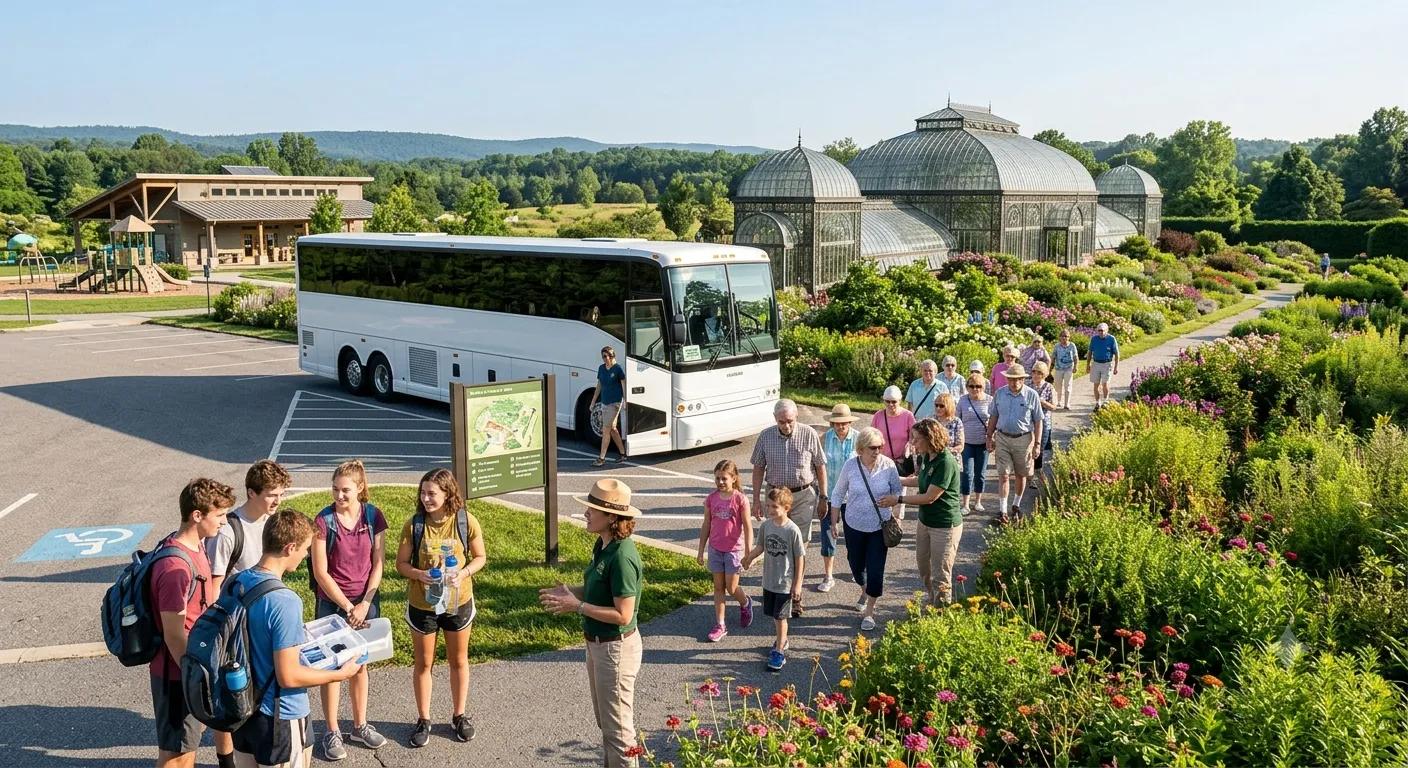
Planning Safe and Reliable Transportation for Parks
Parks and recreation departments help communities stay active through youth camps, outdoor adventures, educational excursions, senior activities, sports programs, and public events. However, organizing transportation for these activities requires careful coordination, particularly when groups include children, older adults, volunteers, and participants with different mobility needs. By establishing a clear transportation plan and working with a dependable provider, organizers can improve travel efficiency and create a more comfortable experience. Reliable parks and recreation department bus transportation can help simplify group travel while allowing recreation staff to focus on delivering valuable community programs.

Why Transportation Planning Is Essential for Recreation Programs
Transportation affects nearly every stage of an off-site recreation activity. Participants need to reach their destinations on time, staff members must coordinate attendance, and organizers need to ensure that the return journey follows the planned schedule.
Without a structured plan, departments may encounter overcrowded vehicles, unclear pickup instructions, scheduling conflicts, and unexpected expenses. These issues can disrupt activities and create unnecessary pressure for staff.
A well-organized transportation strategy establishes clear responsibilities, identifies suitable vehicles, and prepares everyone for the journey. It also helps departments manage resources more effectively when coordinating several programs throughout the year.
Choose the Right Vehicle for Your Group
Selecting an appropriate vehicle is one of the first decisions recreation organizers should make. The best option depends on the number of passengers, the distance involved, the amount of equipment being transported, and the needs of the participants.
For small community groups attending local workshops or recreational activities, a minibus may provide sufficient seating and convenient transportation. Larger groups attending summer camps, regional sports competitions, or full-day excursions may benefit from a full-size charter bus.
Vehicle amenities should also match the trip requirements. Climate control and comfortable seating can improve the experience during longer journeys, while adequate luggage compartments are useful for groups carrying sports equipment, picnic supplies, or outdoor gear.
Departments should confirm passenger capacity, accessibility features, storage space, and available amenities before finalizing a reservation. Choosing the right vehicle helps prevent unnecessary costs and supports a more comfortable journey.
Establish a Detailed Travel Schedule
A reliable transportation plan begins with a realistic itinerary. Organizers should identify departure locations, destinations, scheduled stops, activity times, and expected return times before booking a vehicle.
The schedule should allow enough time for boarding, passenger headcounts, traffic delays, parking, and unloading. When a trip includes multiple destinations, the entire route should be communicated to the transportation provider in advance.
It is also helpful to appoint a transportation coordinator who can communicate with the driver, supervise the boarding process, and notify participants about schedule changes. Having one designated contact reduces confusion and prevents important information from being shared inconsistently.
For recurring activities, departments can develop standard scheduling procedures. Reusable planning templates make it easier to organize weekly programs, seasonal camps, and regular community outings without starting from scratch each time.
Prioritize Passenger Safety
Safety should remain central to every transportation decision, particularly when programs involve children, older adults, or large groups.
Before hiring a transportation provider, departments should verify applicable operating credentials, insurance coverage, vehicle maintenance practices, and driver qualifications. Organizers can also ask about pre-trip vehicle inspections, emergency procedures, and relevant safety features.
For youth programs, staff members should establish clear supervision responsibilities before departure. They should know which participants are assigned to their care, how attendance will be checked, and what procedures apply if a child becomes separated from the group.
Passenger briefings can explain seat belt use where provided, emergency exits, appropriate onboard behavior, and instructions for boarding and exiting safely. The Federal Motor Carrier Safety Administration offers guidance for organizations arranging charter bus travel, which can help planners understand important passenger transportation considerations.
Safety planning should also include the pickup and drop-off areas. Choose locations that provide sufficient space for passengers to gather away from moving traffic and allow the vehicle to stop safely.
Make Transportation Accessible to Everyone
Community recreation programs serve people with different physical abilities and mobility requirements. Transportation arrangements should account for these needs from the beginning rather than treating accessibility as a last-minute adjustment.
Organizers should ask participants whether they require wheelchair access, boarding assistance, additional time, or other accommodations. They should then confirm directly with the provider that the assigned vehicle can meet those requirements.
Pickup points should be convenient and clearly identified. For older adults and participants with mobility limitations, reducing unnecessary walking distances and providing straightforward boarding instructions can make a meaningful difference.
Clear communication is essential. Participants should receive accurate information about vehicle accessibility, meeting points, departure times, and any arrangements they need to make before traveling.
An inclusive transportation plan helps departments make recreational activities available to more community members and supports a more welcoming experience.
Manage Transportation Costs Without Compromising Quality
Budget management is another important part of organizing recreation programs. Departments must balance transportation expenses with other program costs, including facility reservations, admission fees, supplies, and staffing.
Charter bus rental prices may depend on vehicle type, passenger capacity, travel distance, service duration, seasonal demand, and the number of stops. Additional charges may apply for tolls, parking, extended waiting periods, or overnight trips.
To make meaningful comparisons, organizers should request quotes using the same itinerary and requirements. They should review the complete pricing details rather than selecting a provider based solely on the initial estimate.
For recurring programs, early planning can help departments anticipate transportation expenses and evaluate suitable vehicle options. Combining passengers into an appropriately sized vehicle may also reduce the need for several separate vehicles, depending on the trip's circumstances.
The goal should be to obtain dependable service at a reasonable cost without overlooking essential safety, accessibility, or scheduling requirements.
Communicate Clearly With Participants and Parents
Even a well-designed transportation plan can become confusing if participants do not receive accurate information. Departments should communicate travel details well before the scheduled activity.
For youth programs, parents should understand the drop-off location, departure time, expected return, pickup procedures, and emergency contact arrangements. Participants in senior programs may need additional information about boarding assistance, walking distances, and the length of the journey.
Organizers should also explain what participants need to bring and whether food, drinks, personal belongings, or activity equipment must follow specific guidelines.
If weather conditions, traffic, or activity changes affect the itinerary, the transportation coordinator should provide timely updates through the department's established communication channels.
Consistent communication helps participants prepare properly and allows staff to concentrate on the program instead of resolving avoidable misunderstandings.
Prepare for Delays and Unexpected Changes
Outdoor recreation activities are particularly vulnerable to weather changes, road closures, and schedule adjustments. Preparing for these possibilities can prevent minor disruptions from becoming major problems.
Departments should discuss contingency arrangements with their transportation provider before the trip. This includes procedures for changing departure times, extending service, adjusting destinations, or canceling an activity when necessary.
Organizers should also maintain a list of essential contacts and establish a clear process for notifying participants about significant changes. For youth activities, emergency communication procedures should be shared with the appropriate staff and parents.
Reviewing cancellation policies, waiting-time charges, and rescheduling terms in advance helps departments understand their options when circumstances change.
Conclusion
Planning safe and reliable transportation for parks and recreation programs requires thoughtful vehicle selection, realistic scheduling, passenger safety procedures, accessibility planning, and clear communication. Departments that prepare early can manage expenses more effectively, reduce logistical challenges, and provide participants with a smoother travel experience.
Whether organizing youth camps, senior outings, sports tournaments, or community excursions, a dependable transportation arrangement supports the success of the entire program. With a detailed plan and a suitable charter bus provider, parks and recreation departments can focus on creating engaging activities that bring communities together.