

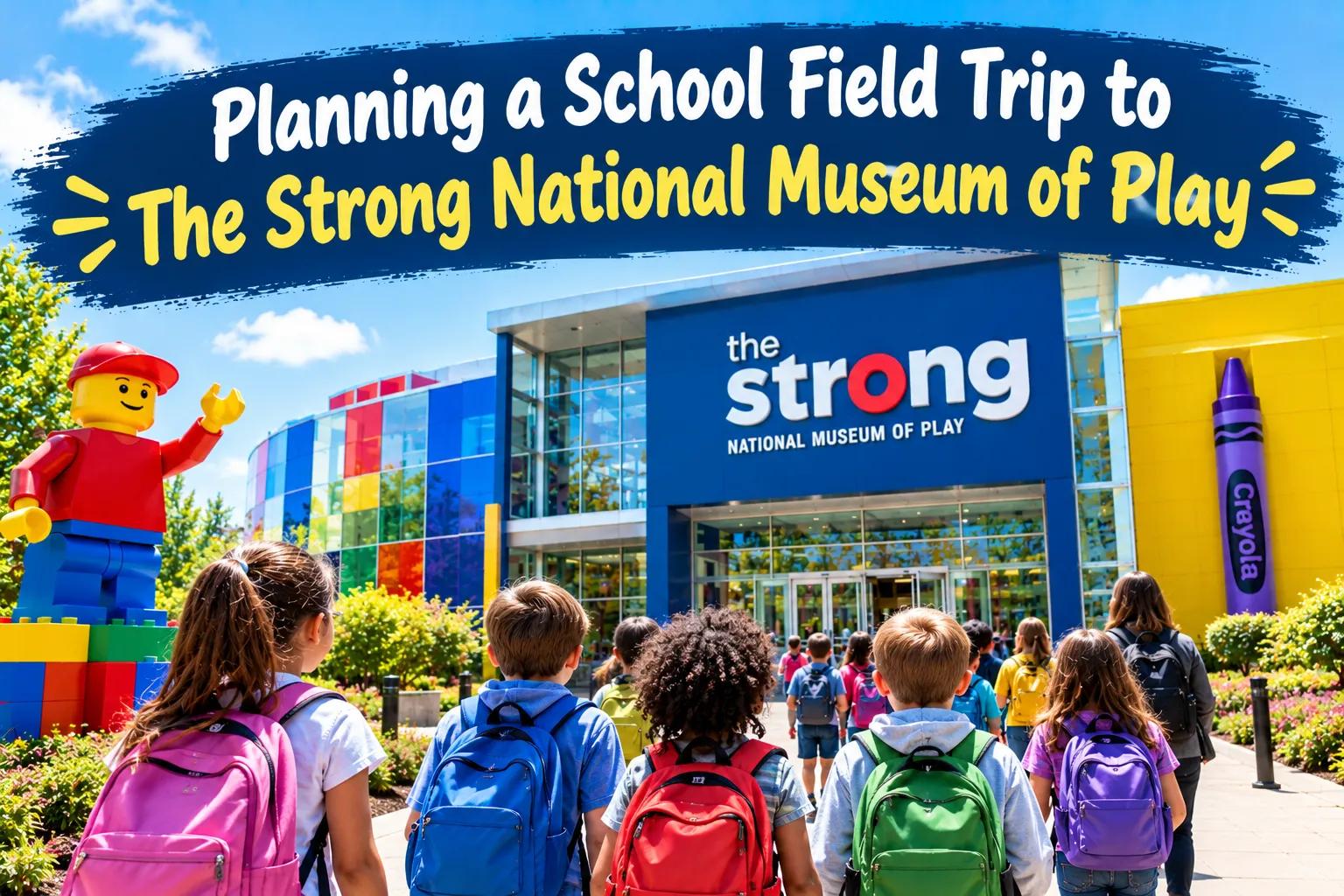
Planning a School Field Trip to The Strong National Museum
Organizing a school field trip requires careful planning, from choosing an educational destination to arranging transportation and supervising students throughout the day. The Strong National Museum of Play in Rochester, New York, offers an engaging environment where students can connect classroom learning with interactive exhibits, games, toys, and creative experiences. For teachers and school administrators, arranging reliable school group transportation to The Strong Museum can make travel easier to coordinate while helping students and chaperones arrive together and enjoy a well-organized educational outing.

Why Choose The Strong National Museum of Play?
The Strong National Museum of Play provides students with opportunities to learn through hands-on experiences. Its exhibits explore the history of play, toys, games, and popular culture, encouraging students to observe, ask questions, and connect new information with familiar experiences.
A museum field trip can complement lessons in history, social studies, art, design, and communication. Teachers can introduce topics before departure and encourage students to reflect on what they learned after returning to school.
The museum also offers educational field trip programs, including optional instructor-led enrichment activities. Teachers should review the available programs and select an option that matches their students' ages, classroom objectives, and learning needs.
Establish Your Field Trip Goals
Before making reservations, determine what the school hopes to achieve through the visit. A clear purpose helps teachers select suitable activities and organize a schedule that balances learning with recreation.
Elementary school teachers might focus on creativity, storytelling, and the history of toys, while older students could examine cultural influences, design concepts, or the development of games and entertainment. Connecting the visit to classroom subjects helps students understand why the experience matters beyond a day away from school.
Once the objectives are established, confirm the number of students, participating teachers, support staff, and parent chaperones. This information will help determine admission costs, transportation requirements, and supervision arrangements.
Arrange Transportation for Students and Teachers
Transportation is one of the most important parts of planning a school outing. Coordinating individual vehicles can create difficulties with parking, arrival times, and student supervision. A charter bus provides a practical option for transporting students and accompanying adults together.
Schools can choose a minibus for a smaller class or a larger charter bus for multiple classrooms, depending on passenger capacity and availability. Before booking, confirm the vehicle size, pickup location, expected travel time, and any accessibility requirements.
Comfortable seating and climate control can make the journey more pleasant, particularly when students are traveling from outside Rochester. Organizers should also ask about applicable safety requirements and confirm the transportation provider's insurance and service arrangements.
A clear transportation plan helps teachers focus on student supervision rather than coordinating several separate vehicles.
Book Museum Admission in Advance
Advance reservations are essential for school groups visiting The Strong National Museum of Play. The museum requires group visit requests to be submitted online at least two weeks before the requested date, and earlier booking is recommended because availability can be limited.
Self-guided field trips are available for pre-kindergarten through grade 12 groups during the school year, Monday through Friday, from September through June. The museum also offers field trips with enrichment activities for eligible grade levels.
Check the museum's official field trip information for current pricing, minimum group sizes, available activities, and reservation requirements. Schools should also confirm payment deadlines and the number of adults included in their admission arrangements.
Booking admission and transportation early gives organizers more time to coordinate schedules and communicate important details to families.
Create a Clear Itinerary
A realistic itinerary helps the school make the most of its visit. Start by estimating the journey to Rochester and setting a suitable departure time. Allow additional time for traffic, student boarding, unloading, and museum check-in.
Once the arrival time is confirmed, divide the visit into manageable periods for exhibits, educational activities, lunch, and breaks. Avoid scheduling too many activities into one day, as students benefit from having enough time to engage with exhibits rather than rushing between experiences.
Share the itinerary with teachers, chaperones, school administrators, and the transportation provider. Everyone should understand the departure time, museum arrival arrangements, meeting points, and expected return.
Prepare Chaperones and Student Groups
Effective supervision helps make a school field trip safer and more organized. Assign chaperones to smaller student groups and ensure that every adult understands their responsibilities.
The Strong Museum provides one free adult admission for every five paid students for eligible field trips and youth groups. Additional adults may need to pay admission, so schools should include all participating teachers, aides, assistants, and parent chaperones when submitting their reservation.
Before the trip, review behavioral expectations, emergency contacts, attendance procedures, and meeting arrangements. Conduct headcounts before departure, after arrival, and before boarding the bus for the return journey.
Teachers should also review the museum's group visit instructions with all participating adults before the trip.
Plan Lunch and Student Comfort
Meal planning is another important consideration for school groups. Ask the museum about available lunch reservations and food options before finalizing the schedule. A 30-minute lunch period may be reserved if space is available, although larger groups may need separate lunch periods.
Schools may be able to bring bagged lunches or purchase food from the museum's dining options, subject to current policies and arrangements. The museum does not provide refrigeration or reheating for packed lunches, so teachers should plan accordingly.
Consider students' dietary requirements, hydration, restroom breaks, and accessibility needs. If a student requires an individual aide or specific accommodations, communicate those requirements during the booking process.
Coordinate Bus Drop-Off and Parking
Arrival logistics deserve special attention because the museum is located in downtown Rochester. The Strong Museum identifies a designated bus drop-off lane on Adventure Place, but its parking garage has a maximum height limit and is not suitable for standard school buses.
Before the visit, confirm the current bus parking instructions with the museum and transportation provider. Ensure that the driver has the appropriate contact information and that students remain on the bus until staff instruct them to unload.
Share the designated meeting location with teachers and chaperones so the group can assemble efficiently after arrival and before departure.
Conclusion
Planning a school field trip to The Strong National Museum of Play involves coordinating educational objectives, museum reservations, transportation, student supervision, and meal arrangements. Taking care of these details in advance allows teachers to create a rewarding experience that combines learning, creativity, and fun.
By booking admission early, choosing appropriate charter bus transportation, preparing chaperones, and confirming bus drop-off arrangements, schools can reduce logistical challenges and keep the trip organized. With a thoughtful itinerary and clear communication, a visit to The Strong Museum can become a memorable educational experience for students and teachers alike.