

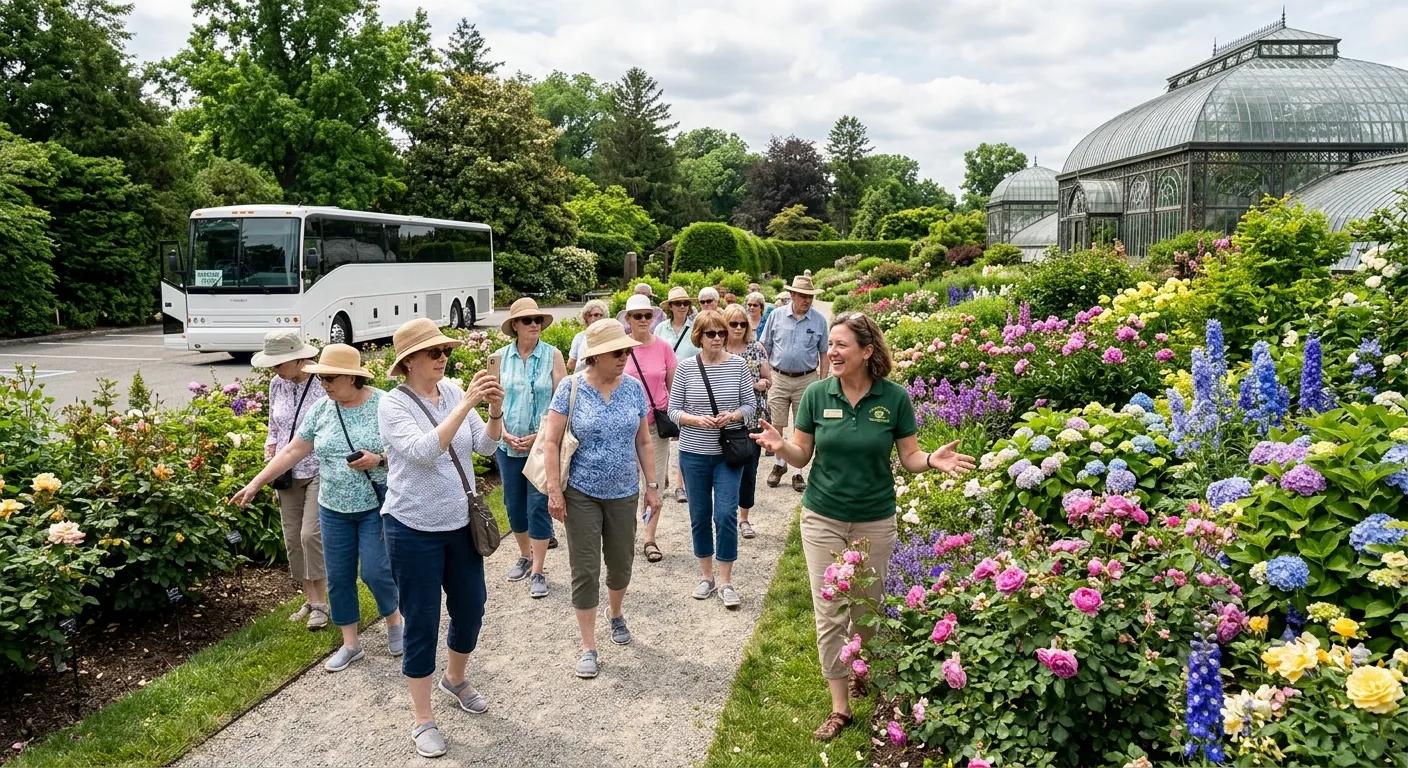
Planning a Botanical Garden Tour: Transportation Tips
Botanical garden tours offer garden club members an excellent opportunity to appreciate beautiful landscapes, learn about plant collections, and exchange gardening knowledge with fellow enthusiasts. Whether the group is visiting a local conservatory, a historic garden, or a renowned horticultural destination, proper planning can make the experience more enjoyable. One of the most important considerations is arranging dependable transportation for botanical garden tours that keeps the group organized, comfortable, and on schedule. With the right transportation strategy, garden club organizers can focus on creating an educational and memorable outing.

Select the Right Botanical Garden Destinations
Choosing suitable destinations is the first step toward planning a successful garden tour. Botanical gardens vary considerably in size, plant collections, educational programs, and visitor facilities. Some specialize in native plants and conservation, while others feature tropical greenhouses, rose gardens, seasonal flower displays, or professionally designed landscapes.
Garden club organizers should consider the interests of their members before selecting a destination. A group interested in landscape design may appreciate formal gardens, while members who enjoy plant propagation may prefer destinations offering horticultural demonstrations or specialist nurseries.
Research each location's admission policies, opening hours, guided tour availability, and group reservation requirements. It is also important to confirm parking arrangements and designated bus loading areas before finalizing the itinerary.
Determine Your Group's Transportation Needs
The size of the group, travel distance, and number of planned stops will influence the transportation option that works best. Smaller garden clubs may find a minibus suitable for a nearby botanical garden, while larger organizations traveling longer distances may prefer a full-size charter bus.
A charter bus rental allows members to travel together rather than coordinating several private vehicles. This simplifies arrival arrangements, reduces the need for multiple parking spaces, and gives organizers a central way to communicate with participants.
When evaluating transportation options, consider the length of the journey and the comfort requirements of your members. Depending on the vehicle, amenities may include climate control, reclining seats, overhead storage, and luggage compartments.
Ask the transportation provider which amenities are available on the proposed vehicle rather than assuming every bus includes the same features. If any participants require wheelchair accessibility or boarding assistance, discuss those requirements before confirming the reservation.
Build a Practical Transportation Schedule
A carefully planned schedule helps the group reach each destination on time without rushing through the experience. Start by establishing a convenient pickup location that is easy for members to reach and suitable for bus boarding.
Estimate the travel time to the botanical garden and include a reasonable buffer for traffic, road conditions, and unexpected delays. If the tour includes multiple destinations, calculate the distance between each stop before committing to the schedule.
Allow sufficient time for walking through the gardens, attending guided tours, taking photographs, and enjoying refreshments. Botanical gardens can cover large areas, and members may want to spend additional time at particular exhibits.
Confirm the departure and return times with the transportation provider. Share the finalized itinerary with participants in advance, including the pickup address, meeting time, planned stops, and expected return time.
Coordinate Multiple Stops Efficiently
Many garden clubs prefer combining a botanical garden visit with a nursery, garden center, arboretum, or flower exhibition. Although these additional stops can make the outing more rewarding, they require careful coordination.
Arrange destinations in a logical order to minimize unnecessary driving. Check the distance between locations and confirm that each venue can accommodate the group's arrival time.
Ask about parking availability, bus access, loading zones, and any restrictions on large vehicles. Some attractions may require buses to drop off passengers at a designated entrance before parking elsewhere.
If the group plans to visit a nursery after the botanical garden, consider how members will transport their purchases. Confirm that the vehicle has appropriate storage capacity and ask about any restrictions on carrying plants, soil, or gardening supplies.
A realistic itinerary with fewer, well-chosen stops is often more enjoyable than a packed schedule that leaves little time to appreciate each destination.
Manage Transportation Costs and Reservations
Budgeting early helps garden clubs compare transportation options and establish a reasonable contribution for each participant. Request quotes based on the actual itinerary, passenger count, travel date, and expected rental duration.
Charter bus costs may depend on vehicle size, mileage, rental hours, seasonal demand, and the number of stops. Depending on the provider's terms, tolls, parking fees, driver expenses, or additional waiting time may affect the final price.
Review what is included in each quote and ask about possible additional charges before booking. Comparing the complete service offering provides a clearer picture than choosing a provider based only on the lowest initial price.
Once the transportation cost is confirmed, divide the expense among expected participants and account for admission tickets, guided tours, meals, and refreshments. Establish a payment deadline so organizers can confirm attendance and finalize reservations.
Booking early may offer greater flexibility when choosing a vehicle, especially during popular spring and summer gardening seasons.
Consider Accessibility and Passenger Comfort
A successful garden tour should accommodate members with different mobility levels and travel preferences. Before selecting a destination, contact the venue to ask about accessible paths, benches, restroom facilities, wheelchair availability, and the distances between major attractions.
Some botanical gardens feature uneven surfaces, steep paths, or extensive walking routes. Understanding these conditions helps organizers choose suitable activities and communicate expectations clearly.
For longer journeys, plan appropriate breaks and identify convenient places for refreshments. Encourage participants to wear comfortable walking shoes and dress according to the forecast. Sun protection, reusable water bottles, and lightweight rainwear may be useful depending on the season.
Transportation arrangements should also account for passengers who need additional boarding time or assistance. Discuss specific requirements with the provider in advance to help ensure a comfortable journey.
Keep Participants Informed Before the Tour
Clear communication reduces confusion on the day of departure. Send members the itinerary, pickup location, boarding time, transportation details, admission information, and organizer's contact details before the trip.
Maintain an attendance list and conduct a headcount before leaving each major stop. Establish a recognizable meeting point at the garden, particularly if the venue has multiple entrances or extensive grounds.
It is also helpful to explain the expected walking distance, planned meal arrangements, and any special activities. Members who know what to expect can prepare appropriately and enjoy the experience more comfortably.
Organizers should keep essential booking information and the transportation provider's contact details readily available in case a schedule adjustment becomes necessary.
Make the Tour Educational and Memorable
Transportation planning is only one part of creating an enjoyable garden club experience. Adding educational activities can help members gain more value from their visit.
Consider arranging a guided tour with a horticultural expert, attending a plant care demonstration, or visiting a nursery specializing in native plants, orchids, herbs, or succulents. These activities can introduce new gardening techniques and inspire members to experiment in their own gardens.
Allow time for informal discussions, photography, and social interaction. Garden club outings are valuable not only for their educational benefits but also for the relationships members build through shared interests.
Conclusion
Planning a botanical garden tour requires thoughtful destination selection, dependable transportation, realistic scheduling, and clear communication. By evaluating passenger needs, confirming venue arrangements, managing the budget, and allowing enough time at each stop, garden club organizers can create a smooth and rewarding outing.
Charter bus rentals can simplify group travel by keeping participants together and reducing the challenges of coordinating multiple vehicles. With advance preparation and a well-organized itinerary, garden clubs can spend less time managing logistics and more time appreciating botanical collections, learning new horticultural techniques, and enjoying a memorable day together.