

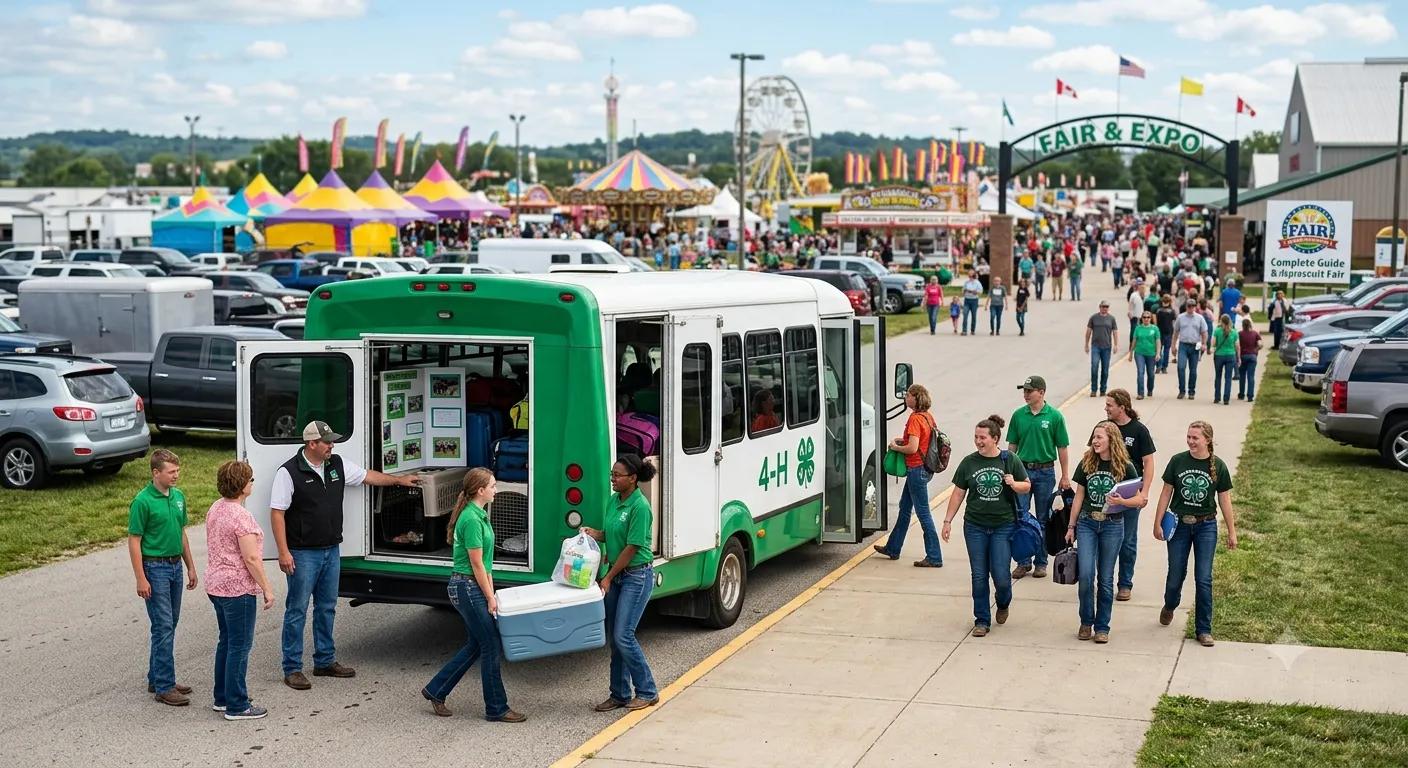
Making 4-H Educational Trips Easier with Reliable Group
Educational trips are an important part of the 4-H experience, giving young people opportunities to develop practical skills, learn about agriculture, explore science, and participate in community activities. Whether a club is visiting a farm, attending an agricultural exhibition, touring a research center, or participating in a youth leadership program, transportation plays a major role in making the outing successful. Arranging reliable group travel for 4-H educational trips helps organizers coordinate participants, manage arrival times, and reduce the complications of arranging multiple vehicles.

For 4-H leaders, volunteers, and extension educators, planning transportation involves more than choosing a bus. Passenger capacity, pickup locations, supervision, equipment storage, accessibility, and budget all need attention. With an organized approach, clubs can make travel more convenient and allow participants to focus on learning and personal development.
Why Reliable Transportation Matters for 4-H Educational Trips
Transportation affects how smoothly an educational outing runs. When families drive separately, organizers may need to coordinate different arrival times, provide parking instructions, and confirm that every participant has reached the destination. These responsibilities can become difficult when a large group is traveling to an unfamiliar location.
A charter bus or suitable group transportation service allows members and authorized chaperones to travel according to a shared itinerary. Organizers can establish a central pickup point, communicate one departure time, and coordinate arrival with the destination's schedule.
This arrangement can be particularly useful for visits to agricultural facilities, science museums, botanical gardens, environmental education centers, county fairs, and regional competitions. Keeping participants together also makes attendance checks and group communication easier.
Choose a Vehicle That Fits Your Group
The right transportation option depends on the number of passengers, journey length, destination, and amount of equipment involved. A minibus may be appropriate for a small club attending a local workshop, while a full-size charter bus may better accommodate a larger group traveling to a regional educational event.
Organizers should count all participating youth, chaperones, volunteers, and other authorized passengers before requesting a quote. Choosing a vehicle based only on the number of students can lead to insufficient seating.
Storage is another important consideration. Members may bring backpacks, notebooks, project displays, uniforms, or supplies for demonstrations. Confirm the vehicle's luggage capacity and any restrictions on oversized or unusual equipment before booking.
Accessibility requirements should also be discussed with the transportation provider in advance. Confirming these details early helps ensure the selected vehicle meets the group's practical needs.
Plan Pickup Locations and Routes in Advance
Clear pickup arrangements make group travel easier for participants and families. Schools, community centers, extension offices, and other approved gathering points may offer convenient places for boarding.
Choose locations that are easy to identify and have adequate space for a bus to stop safely. Families should receive the precise pickup address, departure time, and check-in instructions before the trip.
For clubs serving rural communities or several neighborhoods, multiple pickup points may improve accessibility. However, extra stops can increase travel time and potentially affect rental costs. Organizers should work with the provider to develop a practical route that balances convenience with an efficient journey.
The destination also needs to be considered. Farms, research facilities, and environmental education centers may have narrow access roads, limited turning space, or specific visitor entrances. Contact the host organization to confirm bus access, unloading arrangements, parking instructions, and any special requirements.
Coordinate Transportation With the Learning Schedule
A successful educational trip starts with a clear purpose and a realistic itinerary. Before confirming transportation, organizers should identify the activities participants will complete, the expected arrival time, registration deadlines, and the planned return.
For example, a farm visit may begin with a safety briefing before participants tour the facility. A science workshop may require everyone to arrive before a scheduled demonstration. Agricultural competitions can involve registration and judging times that cannot easily be changed.
Build reasonable time allowances into the itinerary for traffic, passenger boarding, parking, and walking to the venue. For multi-stop trips, confirm the order and duration of each visit with both the transportation provider and the host locations.
A designated trip coordinator should communicate schedule changes to the driver, chaperones, and families. Confirming the complete itinerary before departure reduces confusion and helps the group stay on track.
Prioritize Youth Safety and Supervision
When transporting young people, safety must remain a priority. Organizers should verify that the transportation provider meets applicable licensing and insurance requirements and can explain driver qualifications, vehicle safety procedures, and maintenance practices.
The 4-H organization should also follow its youth protection policies and applicable supervision requirements. Chaperones need to understand their responsibilities before departure, including attendance checks, participant supervision, emergency communication, and procedures for handling unexpected situations.
An accurate passenger roster helps organizers confirm that everyone has boarded before the vehicle leaves. Emergency contact information and parental permissions should be handled securely and shared only with authorized individuals.
Participants should receive clear instructions about appropriate behavior, following the driver's directions, staying with their assigned group, and contacting a responsible adult if they need help. These preparations create a more organized environment throughout the journey.
Prepare Educational Materials and Personal Belongings
Many 4-H trips involve hands-on learning, which means participants may need to bring equipment or supplies. Science projects, notebooks, presentation materials, protective clothing, and personal bags should be organized before departure.
Provide families with packing instructions and confirm available storage space with the transportation provider. Labeling belongings can make unloading easier, especially when several clubs are traveling together.
For farm visits and agricultural facilities, ask the host about clothing requirements, footwear, biosecurity procedures, and restrictions on equipment. Some sites may require visitors to clean footwear or follow specific hygiene protocols to protect animals and crops.
Organizers should also ensure that bags and equipment are stored securely without blocking aisles or emergency exits. Preparing these details in advance helps participants arrive ready for the educational activities.
Manage Transportation Costs Effectively
Budget planning helps 4-H clubs make informed decisions without compromising essential requirements. Charter bus rental prices may vary according to vehicle size, mileage, trip duration, seasonal demand, tolls, parking, and additional stops.
Request quotes early and provide accurate information about the passenger count, travel dates, pickup points, destinations, and expected return time. Ask what the quoted price includes and whether extended waiting periods or itinerary changes could create additional charges.
Clubs may use approved fundraising activities, community sponsorships, donations, or participant contributions to help cover transportation expenses. When several clubs are attending the same event, organizers may also consider coordinating travel if their schedules and supervision arrangements are compatible.
Comparing quotes based on the complete service, rather than price alone, helps organizers select an option that suits their group.
Make Travel Part of the Educational Experience
The journey can support learning before participants even reach their destination. Club leaders can explain the day's schedule, discuss the purpose of the visit, and encourage members to prepare questions for instructors, researchers, or agricultural professionals.
For longer trips, organizers should discuss suitable rest stops with the provider and ensure the itinerary allows adequate time for breaks. After the outing, asking participants and chaperones for feedback can reveal what worked well and what should change for future trips.
Reviewing transportation arrangements alongside the educational outcomes helps clubs improve their planning over time.
Conclusion
Reliable group transportation makes 4-H educational trips easier to coordinate by bringing participants together, supporting organized schedules, and reducing the complications associated with multiple vehicles. Choosing a suitable bus, planning routes carefully, confirming safety requirements, and preparing supplies in advance can create a smoother experience for everyone involved.
By communicating clearly with families, chaperones, transportation providers, and destination hosts, 4-H organizers can spend less time managing travel problems and more time supporting meaningful learning opportunities. Whether the group is visiting a farm, exploring a science center, attending a county fair, or participating in a youth leadership event, thoughtful transportation planning helps make the trip more organized, comfortable, and rewarding.