

How to Organize Stress-Free Transportation for College
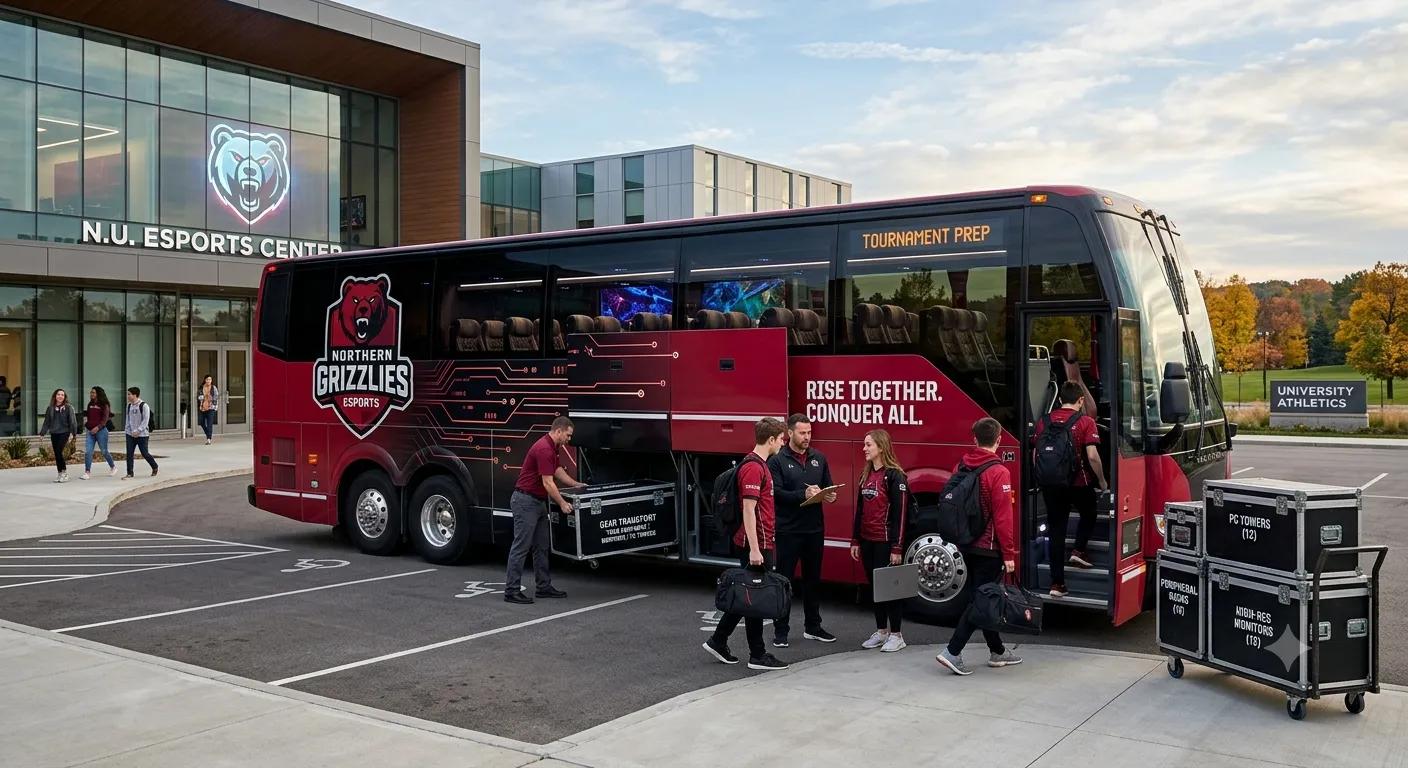
College esports competitions bring together university players, coaches, analysts, and support staff for tournaments, LAN events, and collegiate championships. While teams concentrate on strategies and performance, organizers must coordinate transportation, gaming equipment, passenger schedules, and venue requirements. Booking reliable college esports team bus transportation can help universities keep everyone together, manage equipment efficiently, and reduce unnecessary stress before competition begins.

Whether a college is attending a local gaming event or traveling to a multi-day championship, a well-organized transportation plan makes the experience easier for everyone. Early preparation, clear responsibilities, and a suitable vehicle allow players and staff to focus on the tournament rather than last-minute travel problems.
Start Planning Transportation Early
Transportation arrangements should begin as soon as the tournament dates and venue details are confirmed. Waiting until the last minute can limit vehicle availability, complicate university approvals, and make it difficult to accommodate specialized gaming equipment.
Start by confirming the event location, registration deadlines, expected match schedule, and travel duration. Determine whether the team needs a round-trip journey, overnight transportation arrangements, or daily transfers between a hotel and the competition venue.
Early planning also gives organizers time to compare quotes and discuss special requirements with transportation providers. Universities that attend competitions regularly can create a reusable travel-planning process to make future trips more efficient.
Confirm the Passenger List
College esports travel groups often include more than the starting roster. Substitute players, coaches, analysts, team managers, faculty advisors, and media staff may also need seats.
Prepare a complete passenger list before choosing a vehicle. If several esports teams are attending the same tournament, calculate the combined number of players and support staff. Confirm attendance with every participant before finalizing the booking.
An accurate headcount helps organizers select an appropriate vehicle and avoid last-minute seating problems. It also supports university travel approvals and makes it easier to coordinate boarding on departure day.
Designate a team manager or staff member to maintain the final roster and communicate any changes to the transportation provider.
Choose the Right Vehicle for Your Team
The best vehicle depends on passenger numbers, equipment volume, travel distance, and the tournament itinerary. A passenger van may work for a small roster carrying limited equipment, while a minibus can accommodate a medium-sized group. Larger university programs may require a full-size charter bus.
However, seating capacity alone should not determine the decision. Gaming computers, monitors, peripheral cases, and overnight luggage can take up substantial space.
Before booking, provide the operator with the expected passenger count and equipment inventory. Ask about luggage compartment dimensions, oversized items, and secure storage arrangements.
For longer journeys, consider passenger comfort and available amenities. Comfortable seating and climate control can help players arrive ready to compete. Confirm whether features such as Wi-Fi, charging outlets, and onboard restrooms are available on the specific vehicle rather than assuming they are included.
Organize Gaming Equipment Before Departure
Gaming equipment requires careful preparation because damaged or missing devices can interfere with tournament participation. Players may need keyboards, mice, headsets, controllers, laptops, monitors, and desktop computers.
First, review the tournament's equipment policy. Some events provide standardized computers and monitors, while others require teams to bring their own gaming setups. Knowing the requirements helps organizers estimate storage needs accurately.
Create an equipment inventory that identifies each item, its owner, and its packing location. Use padded cases for fragile peripherals and suitable protective packaging for monitors and desktop towers. Keep cables, adapters, and accessories in labeled bags so they can be located quickly during setup.
Assign an equipment coordinator to supervise loading and unloading. The coordinator should verify the inventory before departure and check it again after arrival.
Larger equipment must be secured according to the transportation provider's instructions. Whenever practical, players should carry essential personal electronics in secure bags. Universities should also verify whether their insurance arrangements cover equipment during transportation.
Create a Flexible Tournament Schedule
Tournament schedules can change depending on match results and bracket progression. One team may finish early, while another continues competing late into the evening.
Build the transportation itinerary around registration deadlines, technical checks, opening ceremonies, and the earliest required arrival time. Allow enough time for traffic, unloading equipment, and preparing gaming stations before matches begin.
For multi-day competitions, include hotel transfers, daily pickups, meal breaks, and return transportation. If multiple rosters compete in different brackets, determine whether they can share the same return journey or need separate arrangements.
Discuss waiting-time charges, overtime fees, and pickup adjustments with the transportation provider before confirming the booking. Establish a clear communication process for reporting schedule changes.
Long-distance trips must also account for applicable driver rest and hours-of-service requirements. If a competition runs later than expected, the provider may need to arrange additional driving coverage or an overnight stay.
Keep Players, Coaches, and Staff Informed
Clear communication is essential for preventing confusion on tournament day. Players should know where to board, when to arrive, what equipment to bring, and how schedule updates will be shared.
Send the confirmed itinerary to everyone traveling with the team. Include pickup locations, departure times, venue addresses, hotel details, and the contact information of the designated team manager.
Coaches should communicate competition expectations and ensure players understand the match schedule. Team managers should coordinate with the driver and update the group when arrangements change.
Using one primary contact for transportation communication prevents conflicting instructions. It also makes it easier to manage unexpected delays, venue changes, or revised pickup times.
Make the Journey Comfortable and Productive
Travel time can provide an opportunity for preparation and rest. Players may review recorded matches, discuss tactics, or study opponents, while coaches and analysts organize notes for upcoming games.
Encourage participants to pack permitted personal items such as water, snacks, chargers, and headphones. For longer trips, plan appropriate breaks and avoid unnecessarily exhausting schedules before important matches.
Teams should not rely entirely on onboard Wi-Fi for competitive gaming because internet coverage and latency can vary during travel. Important strategy materials and recorded matches should be available offline whenever possible.
Allow enough time after arrival for equipment unloading, registration, technical checks, and player preparation. A relaxed arrival schedule can help reduce pressure before competition begins.
Manage University Approvals and Travel Costs
University transportation may require advance authorization, participant rosters, emergency contact information, and documentation from an approved transportation provider. Requirements vary by institution, so organizers should consult the appropriate university department early.
Budget planning is equally important. Transportation costs may depend on vehicle type, mileage, rental duration, driver requirements, tolls, parking, waiting time, and overnight arrangements.
Request a detailed quote using the full itinerary, passenger count, and equipment list. Compare providers based on vehicle suitability, storage capacity, safety documentation, communication, and scheduling flexibility rather than selecting solely on the lowest price.
Booking early gives organizers time to secure approvals and coordinate transportation expenses with tournament registration, accommodation, and meal budgets.
Prepare a Repeatable Travel Plan
Universities that regularly attend esports events can simplify future trips by documenting their transportation procedures. After each competition, review what worked well and identify problems involving departure times, equipment storage, communication, or unexpected expenses.
Maintain reusable templates for passenger rosters, equipment inventories, travel schedules, and emergency contacts. Update these documents for each new event rather than starting from scratch.
A consistent planning process helps new team managers understand their responsibilities and makes recurring tournament travel more predictable.
Conclusion
Organizing stress-free transportation for college esports competitions requires early planning, accurate passenger lists, suitable vehicle selection, careful equipment management, and clear communication. Preparing for tournament schedule changes and completing university approvals in advance can prevent many common travel problems.
A well-coordinated charter bus arrangement helps players, coaches, and staff travel together while keeping equipment and schedules organized. With a reliable transportation plan, universities can reduce travel-related distractions and give their esports teams more time to prepare, compete, and perform at their best.