

How to Choose Between a Charter Bus and a Minibus
Organizing transportation for a group requires more than simply counting passengers. The right vehicle should provide enough seating, suitable luggage space, comfortable travel, and convenient access to every destination. Whether you are planning a corporate outing, school excursion, wedding, sporting event, or family trip, understanding your options can help you avoid unnecessary expenses and scheduling challenges. Reviewing the available group bus rental options for different travel needs is a useful starting point when deciding between a full-size charter bus and a minibus.

Understand the Main Differences Between a Charter Bus and a Minibus
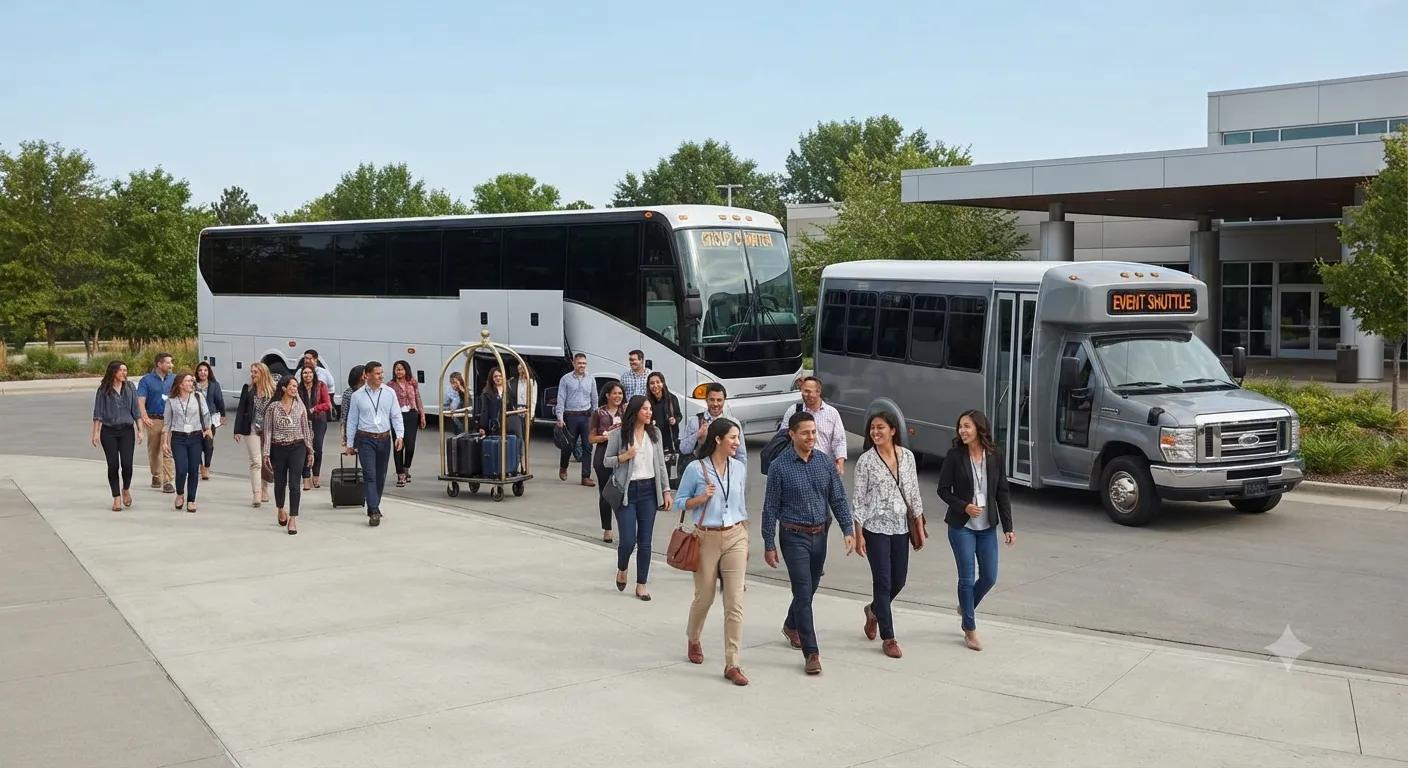
A charter bus is a full-size passenger vehicle designed to accommodate larger groups. Depending on its configuration, it typically seats approximately 40 to 56 passengers. These vehicles are commonly used for long-distance travel, school trips, corporate conferences, sports competitions, weddings, and organized tours.
A minibus is a smaller vehicle that generally accommodates around 18 to 35 passengers, depending on the model. It is frequently used for local transportation, hotel transfers, airport pickups, small corporate events, and private celebrations.
Both options provide a convenient way to transport people together, but their advantages differ. A charter bus generally offers greater passenger capacity and luggage storage, while a minibus can be easier to maneuver through certain urban areas and access smaller venues.
Understanding these distinctions helps you identify the vehicle that best matches your itinerary rather than choosing based on size alone.
Choose the Right Vehicle for Your Group Size
Passenger capacity is one of the first factors to evaluate when arranging group transportation. Booking a vehicle that is too small can create seating difficulties, while renting a much larger bus may mean paying for capacity your group does not need.
For groups of approximately 18 to 30 people, a minibus may provide a practical balance between space and cost. It can accommodate business teams, wedding parties, university clubs, and family groups traveling to nearby destinations.
A full-size charter bus is often more appropriate for groups of 40 or more passengers. It allows larger groups to travel together without coordinating several smaller vehicles.
Consider a company transporting 24 employees to a nearby training session. A minibus may provide sufficient seating without unnecessary capacity. However, a school organizing a trip for 50 students and accompanying staff members will generally need a full-size coach or an appropriate combination of vehicles.
Always confirm the exact seating configuration with your rental provider. Include organizers, teachers, coaches, chaperones, and other accompanying passengers when calculating the final headcount.
Evaluate the Distance and Duration of Your Trip
The length of your journey can significantly influence your transportation decision. For short trips around a city, a minibus may be sufficient because passengers spend less time onboard and may not require extensive amenities.
Minibuses can work particularly well for airport transfers, hotel shuttles, business meetings, wedding transportation, and sightseeing trips involving multiple local stops.
For longer journeys, a full-size charter bus may offer a more comfortable experience. Many models feature reclining seats, climate control, overhead storage, and large luggage compartments. Selected vehicles may also provide onboard restrooms, Wi-Fi, and power outlets.
These features can be valuable for school groups traveling to educational destinations, sports teams heading to away games, and corporate employees attending conferences in another city.
Before making a reservation, consider the total time passengers will spend traveling, including scheduled stops and waiting periods. Choosing a vehicle that suits the journey can improve comfort and make the overall experience more convenient.
Compare Rental Prices and Your Transportation Budget
Budget is another important consideration when choosing between a charter bus and a minibus. Minibuses often have lower total rental costs for smaller groups and shorter trips. However, the final price depends on the provider, location, booking duration, travel distance, and date.
A full-size charter bus may have a higher upfront rental cost, but it can provide better value when transporting a large group. Hiring multiple minibuses may require additional drivers and create more complicated scheduling arrangements.
To compare options accurately, request quotes based on the same itinerary and passenger count. Ask whether the quoted price includes driver time, mileage, fuel, tolls, parking, and waiting time. Cancellation policies, overtime charges, and seasonal demand may also influence the total expense.
Calculating the cost per passenger can help you identify the most economical solution. The cheapest vehicle is not necessarily the best choice if it lacks sufficient seating, luggage space, or amenities for your trip.
Consider Luggage Space and Special Requirements
Passenger seating is only one part of transportation planning. The amount and type of luggage your group carries can influence which vehicle is most suitable.
A group traveling to a conference may bring presentation materials, laptops, and personal bags. A sports team might need space for uniforms, equipment, and training supplies. Travelers attending a destination wedding may carry suitcases, garment bags, and other personal belongings.
Full-size charter buses generally provide more storage capacity, including undercarriage luggage compartments on many models. Minibuses usually offer more limited storage, although the exact arrangement depends on the vehicle.
Accessibility requirements should also be discussed before booking. If a passenger needs wheelchair access or another accommodation, confirm that the rental provider can supply a suitable vehicle.
Providing accurate information about luggage, equipment, and accessibility needs helps the company recommend a vehicle that meets your group's practical requirements.
Check Route Accessibility and Parking Arrangements
The destination itself can affect which vehicle is the better choice. Full-size charter buses require adequate road clearance, turning space, loading areas, and parking arrangements. Large venues such as stadiums, convention centers, and major hotels may have designated areas for motorcoaches.
Smaller venues, historic locations, downtown streets, and residential destinations may have tighter access restrictions. In these situations, a minibus can be easier to maneuver and may provide more flexibility for passenger pickups and drop-offs.
For events involving several locations, review the complete route before confirming your reservation. Check whether each destination can accommodate the selected vehicle and whether advance parking arrangements are necessary.
Coordinating these details with the rental company and venue managers can reduce delays and prevent last-minute transportation changes.
Match Your Vehicle to the Type of Event
Different occasions create different transportation needs. Corporate groups may prioritize punctuality, comfortable seating, and reliable transfers between offices, hotels, and conference venues. Smaller teams may prefer a minibus, while large employee groups may benefit from a full-size charter bus.
Wedding organizers need to consider guest numbers, venue locations, and the timing of ceremonies and receptions. A minibus may work well for smaller guest groups, whereas a full-size coach can transport more guests in a single trip.
Schools and universities often require transportation for students, teachers, and chaperones. Charter buses are commonly suitable for larger educational groups, particularly when travel involves long distances or substantial luggage.
Sports teams should evaluate both passenger capacity and equipment storage. A minibus may suit a small team attending a nearby competition, while a full-size charter bus may be more practical for larger squads traveling to regional tournaments.
Selecting transportation based on the event's actual requirements helps simplify planning and improve the passenger experience.
Plan Ahead Before Booking Your Rental
Once you have identified a suitable vehicle type, finalize the main details of your journey. Establish the passenger count, pickup and drop-off locations, travel dates, departure times, return schedule, and any planned stops.
Contact rental providers with this information so they can recommend appropriate vehicles and prepare accurate quotes. Ask about included amenities, luggage capacity, payment terms, cancellation policies, and additional fees before signing the agreement.
Booking early can give you more time to compare options and coordinate transportation with event organizers, hotels, and venues. It is also wise to confirm the reservation details shortly before the travel date, especially if passenger numbers or schedules have changed.
Clear communication and advance planning help ensure the transportation arrangement matches your expectations.
Conclusion
Choosing between a charter bus and a minibus depends on your group size, travel distance, budget, luggage requirements, and destination accessibility. A minibus is often suitable for smaller groups and local journeys, while a full-size charter bus generally offers greater capacity and more storage for larger groups and longer trips.
By evaluating these factors, comparing rental quotes, and confirming vehicle specifications in advance, you can select transportation that balances comfort, convenience, and cost. Careful planning helps keep your group organized and supports a smoother travel experience from pickup to arrival