

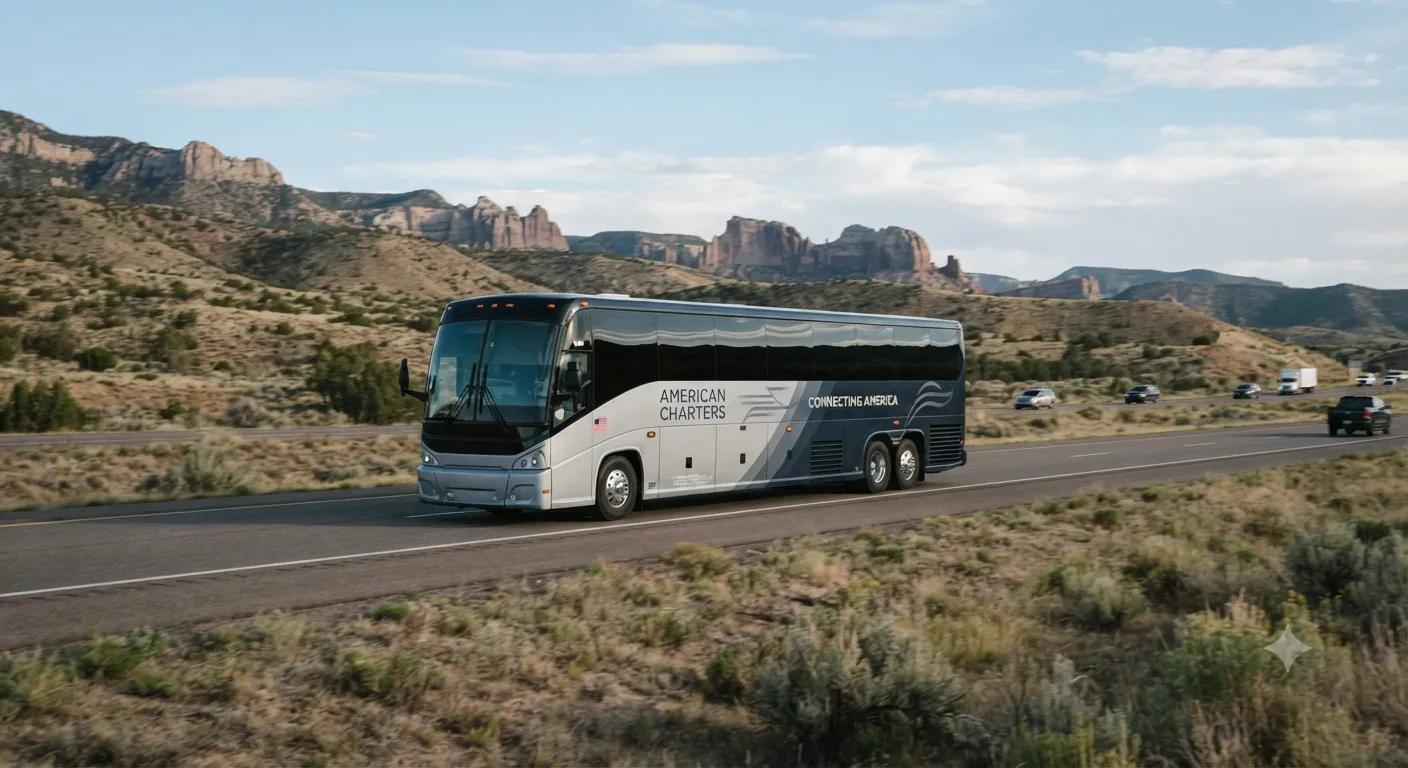
How the Charter Bus Industry Is Evolving in America
The American transportation industry is changing as travelers look for more convenient, connected, and efficient ways to move between destinations. Charter buses continue to serve an important role in this landscape by providing flexible transportation for large groups, but the industry itself is not standing still. New technology, changing customer expectations, vehicle developments, workforce challenges, and evolving travel patterns are all influencing how charter bus companies operate. These changes are creating a new chapter for the American charter bus industry and shaping what group transportation may look like in the coming years.

From the way customers request transportation to the technology used inside modern coaches, charter bus services are becoming increasingly connected to broader changes in the transportation sector.
Digital Booking Is Changing Customer Expectations
One of the clearest changes in the charter bus industry is the growing importance of digital communication. Travelers have become accustomed to arranging hotels, flights, restaurants, and other services online, and they increasingly expect similar convenience when planning group transportation.
Online quote requests, mobile-friendly websites, digital communication, and electronic trip information are becoming important parts of the customer experience. Transportation providers can also use technology to organize reservations, coordinate vehicles, communicate with drivers, and manage schedules.
As these systems become more advanced, travelers may spend less time handling routine communication and more time focusing on the actual details of their trip.
Modern Fleet Technology Is Advancing
Charter buses are also benefiting from developments in commercial vehicle technology. Newer coaches can include advanced safety systems, improved fuel efficiency, enhanced passenger amenities, and updated electronic equipment.
Driver-assistance technology is particularly relevant to the industry's development. Features such as collision warning systems, automatic emergency braking, lane-assistance technology, and improved camera systems can provide additional support for professional drivers.
These systems do not remove the need for experienced drivers. Instead, they are designed to give drivers additional information and assistance while they remain responsible for operating the vehicle and responding to changing road conditions.
Electric Charter Buses Are Entering the Conversation
Electrification is another trend influencing the future of group transportation. Electric buses are being introduced in certain markets, although their availability remains dependent on factors such as charging infrastructure, vehicle range, operating costs, and local policies.
The transition is unlikely to happen at the same pace across the entire country. Routes with access to suitable charging infrastructure may be better positioned for electric coaches, while long-distance charter operations can present different requirements.
As battery technology improves and charging networks expand, electric buses may become increasingly practical for additional types of group transportation. For now, travelers should recognize that vehicle availability can vary significantly between regions.
Passenger Comfort Is Becoming More Important
The role of a charter bus is not limited to moving passengers from one destination to another. The experience during the journey is also becoming an important consideration.
Travelers may expect comfortable seating, climate control, Wi-Fi, charging outlets, storage, entertainment systems, and other amenities when selecting transportation for longer journeys. These expectations can be particularly important for corporate travelers, families, sports groups, school organizations, and tour groups.
Transportation companies may continue improving onboard features as customers become more accustomed to having connectivity and convenience throughout their travel experience.
Younger Travelers Are Influencing the Market
The demographics of group travel are changing as well. Younger travelers are increasingly taking an active role in organizing group trips, including family vacations, reunions, celebrations, business travel, and special events.
Because many younger travelers are comfortable managing services through smartphones and online platforms, they may expect quick digital communication and easy access to transportation information.
This shift can influence how charter bus companies present their services. Clear online information, convenient quote requests, responsive communication, and digital trip updates may become increasingly important parts of the customer journey.
At the same time, many group trips involve multiple generations. A single family trip may include children, adults, and older passengers, making comfort and accessibility important considerations for transportation providers.
Event Transportation Is Becoming More Complex
Large events can create significant demand for organized transportation. Sporting competitions, conventions, concerts, festivals, corporate meetings, and major international events can bring large numbers of people into a destination within a short period.
Charter buses can help connect hotels, airports, parking areas, venues, and other locations. However, managing transportation for a major event requires careful coordination of vehicles, schedules, routes, pickup locations, and passenger volumes.
As large events become more complex, charter bus companies may increasingly work with organizers earlier in the planning process. Technology can also help transportation teams coordinate large fleets and communicate schedule changes more efficiently.
Fuel Prices Continue to Influence Operations
Fuel remains an important operating consideration for charter bus companies. Because coaches can travel long distances and carry large numbers of passengers, changes in fuel prices can affect operating expenses and transportation quotes.
The industry may continue moving toward pricing structures that respond more closely to current fuel conditions. Travelers planning group trips should therefore consider factors such as trip distance, duration, vehicle type, and fuel costs when developing transportation budgets.
Requesting a quote in advance can give organizers a clearer understanding of the expected cost for their specific itinerary.
Driver Availability Remains a Major Consideration
Technology and vehicle development are only part of the industry's evolution. Professional drivers remain essential to charter bus transportation, and driver availability can directly affect the industry's ability to meet customer demand.
Transportation companies continue to face the challenge of recruiting, training, and retaining qualified commercial drivers. As newer buses incorporate more advanced technology, driver training may also need to adapt.
Busy travel periods can make this issue particularly important. Holidays, major sporting events, school travel seasons, and large conventions can increase demand for both vehicles and qualified drivers. Groups with fixed travel dates may therefore benefit from planning transportation well in advance.
Sustainability Is Becoming Part of Transportation Planning
Environmental considerations are also influencing how organizations think about group travel. Businesses, schools, event planners, and other organizations may consider transportation choices as part of broader sustainability initiatives.
Shared transportation allows a large group to travel together rather than requiring numerous individual vehicles. The environmental impact depends on factors such as passenger occupancy, vehicle type, distance, and fuel source, but organized group transportation can remain relevant for organizations seeking efficient ways to coordinate travel.
The development of electric and alternative-fuel buses may eventually provide additional options for groups with specific sustainability goals.
Charter Bus Companies Are Adapting to Different Travel Needs
Another important part of the industry's evolution is the growing variety of group transportation requirements. There is no single type of charter bus trip.
A corporate organization may need transportation between several offices or hotels. A wedding may require shuttle service between a hotel and venue. A sports team may need space for passengers and equipment, while a school group may require transportation for students and staff.
This variety requires transportation providers to remain flexible. Modern fleet-management systems, digital scheduling tools, and improved communication can help companies coordinate different vehicle types and itineraries.
The Future Will Combine Technology and Human Service
The charter bus industry is evolving, but its fundamental purpose remains familiar. Groups still need reliable ways to travel together without coordinating dozens of individual vehicles.
Technology can make the process more convenient, while newer vehicles can provide improved safety features and passenger amenities. Electric transportation may gradually expand as infrastructure develops, and digital platforms can simplify booking and communication.
At the same time, professional drivers and transportation teams will continue to provide the human element that group travel requires. Drivers must respond to traffic, weather, road conditions, passengers, and unexpected changes that technology cannot independently manage in every situation.
What the Evolution Means for Travelers
The evolution of the charter bus industry in America is taking place across several areas at once. Customers can expect transportation planning to become increasingly digital, while vehicles may continue incorporating new safety systems, comfort features, and alternative power technologies.
Travelers may also encounter changing pricing structures, greater demand during major events, and increased attention to sustainability. At the same time, professional drivers will remain an important part of the travel experience.
For anyone planning group transportation, the most useful approach is to understand how these developments can affect their specific trip. Group size, travel distance, vehicle availability, scheduling requirements, passenger needs, and destination can all influence the right transportation arrangement.
As the industry continues adapting, charter buses are likely to remain an important part of America's group transportation network. The vehicles and technology may change, but the need to move people together efficiently, comfortably, and with coordinated service continues to shape the industry's future.