

How Charter Bus Rentals Make 4-H Fair Travel Easier
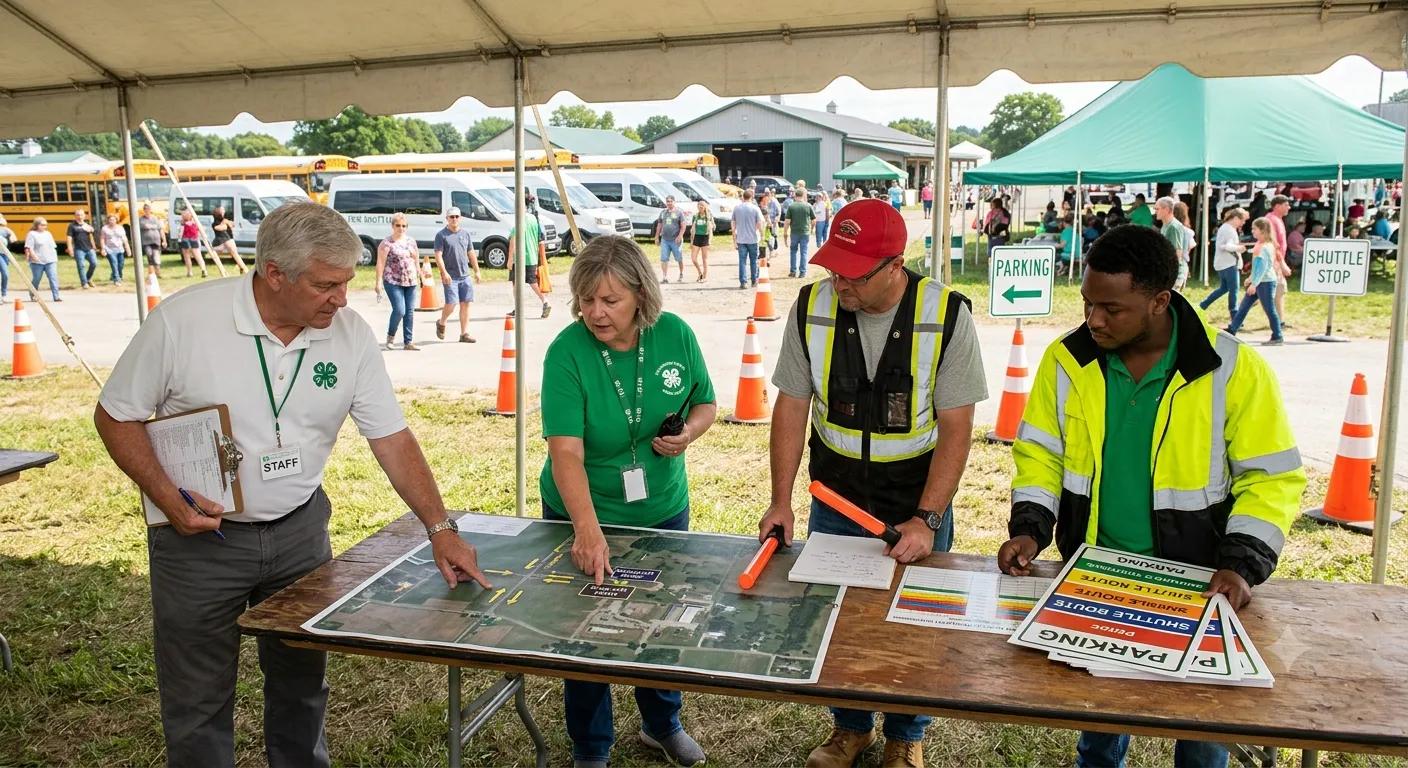
Planning transportation for a youth group attending a 4-H fair can be challenging when members, parents, club leaders, and volunteers must coordinate schedules, pickup locations, and event activities. From county agricultural exhibitions to livestock competitions and educational demonstrations, every trip requires reliable transportation and appropriate supervision. Coordinating multiple family vehicles can create parking difficulties, scheduling conflicts, and unnecessary communication problems. Choosing charter bus rentals for 4-H youth groups offers organizers a practical way to bring participants together, simplify travel arrangements, and help everyone arrive at the fairgrounds according to plan.

Simplifying Transportation for Youth Groups
Youth groups often travel to fairs with participants from different neighborhoods, schools, and communities. When every family arranges its own transportation, organizers may need to coordinate numerous arrival times, parking arrangements, and pickup instructions.
A charter bus allows a group to travel together from a designated meeting point. Instead of managing several vehicles, club leaders can coordinate one primary departure schedule and communicate the same travel information to everyone.
This arrangement can be particularly useful for larger 4-H clubs attending regional exhibitions or multi-day agricultural events. Group travel helps participants stay connected and makes it easier for organizers to monitor arrival times and coordinate the day's activities.
A centralized pickup location also reduces the need for multiple stops, provided the location is convenient and suitable for boarding a bus.
Improving Scheduling and Event Attendance
Many 4-H fairs feature activities that begin at specific times. Livestock judging, animal check-in, agricultural demonstrations, and educational workshops may require participants to arrive before the general public.
Charter bus transportation helps organizers establish a coordinated departure time and plan the journey around important event deadlines. Leaders can work backward from the required arrival time, accounting for expected traffic, passenger boarding, and the distance between the fairground entrance and the assigned activity area.
Organizers should also allow extra time for unexpected delays. A realistic schedule is more dependable than an itinerary that assumes every vehicle will encounter perfect road conditions.
For multi-day fairs, transportation providers may be able to accommodate different pickup and return schedules, depending on the reservation. Confirming these arrangements in advance helps youth groups attend their planned activities without unnecessary travel complications.
<WritingBlock id="63520" variant="document">## Making Travel More Comfortable for Young Participants
A comfortable journey can help youth members arrive ready to participate in fair activities. Traveling together in a suitable charter bus provides a shared space where participants can relax during the journey and prepare for the day ahead.
Organizers should consider the length of the trip, expected weather, passenger needs, and available luggage space. Participants should receive guidance about bringing water, snacks where permitted, appropriate clothing, and personal belongings.
For longer journeys, organizers should discuss planned rest stops with the transportation provider. These stops should fit the itinerary without compromising important event arrival times.
Club leaders should also explain expectations for behavior during the trip. Keeping aisles clear, following the driver's instructions, and respecting fellow passengers helps maintain a safe and pleasant environment.
Managing Luggage and Agricultural Equipment
Youth groups attending 4-H fairs may carry backpacks, display materials, project supplies, and personal items. Livestock exhibitors may also have grooming tools, boots, feed, and other equipment that require separate handling.
Before the trip, organizers should confirm the bus operator's luggage policies and available storage capacity. Items should be packed securely, and each participant should be responsible for identifying their belongings.
Animal-related supplies should generally travel with the appropriate livestock vehicle rather than inside the passenger cabin. Dirty boots, bedding, feed, and equipment that may create odors or contamination should be kept separate from passengers and clean luggage.
Discussing these arrangements in advance helps avoid loading delays and unexpected cleaning charges. It also ensures that the passenger vehicle remains suitable for the group's journey.
Prioritizing Safety and Youth Supervision
Safety should remain a priority whenever youth groups travel to fairs and agricultural events. Organizers should confirm that transportation arrangements meet applicable program policies and that the selected provider is appropriate for the trip.
Club leaders should maintain an accurate passenger roster, confirm attendance before departure, and complete headcounts when the group arrives and leaves the venue. Parents and guardians should receive the itinerary, expected return time, and contact information for the designated group leader.
Supervision arrangements must follow the relevant 4-H program's rules. Organizers should confirm required adult coverage, permission forms, emergency procedures, and any special needs before the journey begins.
A contingency plan is also important. Traffic, bad weather, vehicle delays, or changes to the event schedule may require adjustments. Having a designated transportation coordinator makes it easier to communicate updates and prevent confusion.
Controlling Costs and Booking in Advance
Charter bus rental costs depend on factors such as vehicle size, travel distance, service duration, driver hours, and seasonal demand. Organizers should estimate passenger numbers early and request quotes that reflect the complete itinerary.
Sharing a bus between nearby clubs can help reduce individual costs when schedules and pickup locations are compatible. Community sponsorships, fundraising activities, and approved club budgets may also help cover transportation expenses.
Booking early is particularly helpful during busy county and state fair seasons, when several youth organizations may need transportation at the same time. Before confirming a reservation, organizers should review the full price, cancellation conditions, waiting-time charges, and any additional fees.
A confirmed itinerary and written reservation provide a clear reference for the transportation coordinator, club leaders, and provider.
Conclusion
Charter bus rentals can make 4-H fair travel easier for youth groups by bringing participants together, simplifying pickup arrangements, and reducing the challenges associated with coordinating multiple family vehicles. With the right vehicle and a well-planned itinerary, club leaders can manage arrival times and help members attend important educational activities and competitions.
Successful group travel also depends on clear communication, appropriate supervision, separate arrangements for livestock and equipment, and realistic budgeting. By booking early and preparing for unexpected changes, organizers can create a more comfortable and dependable journey for young participants, parents, volunteers, and club leaders.
Ultimately, organized transportation allows 4-H groups to spend less time managing travel logistics and more time enjoying agricultural education, friendly competition, and the community spirit of the fair.