

How Background Checks Help Ensure Safer Charter Bus Travel
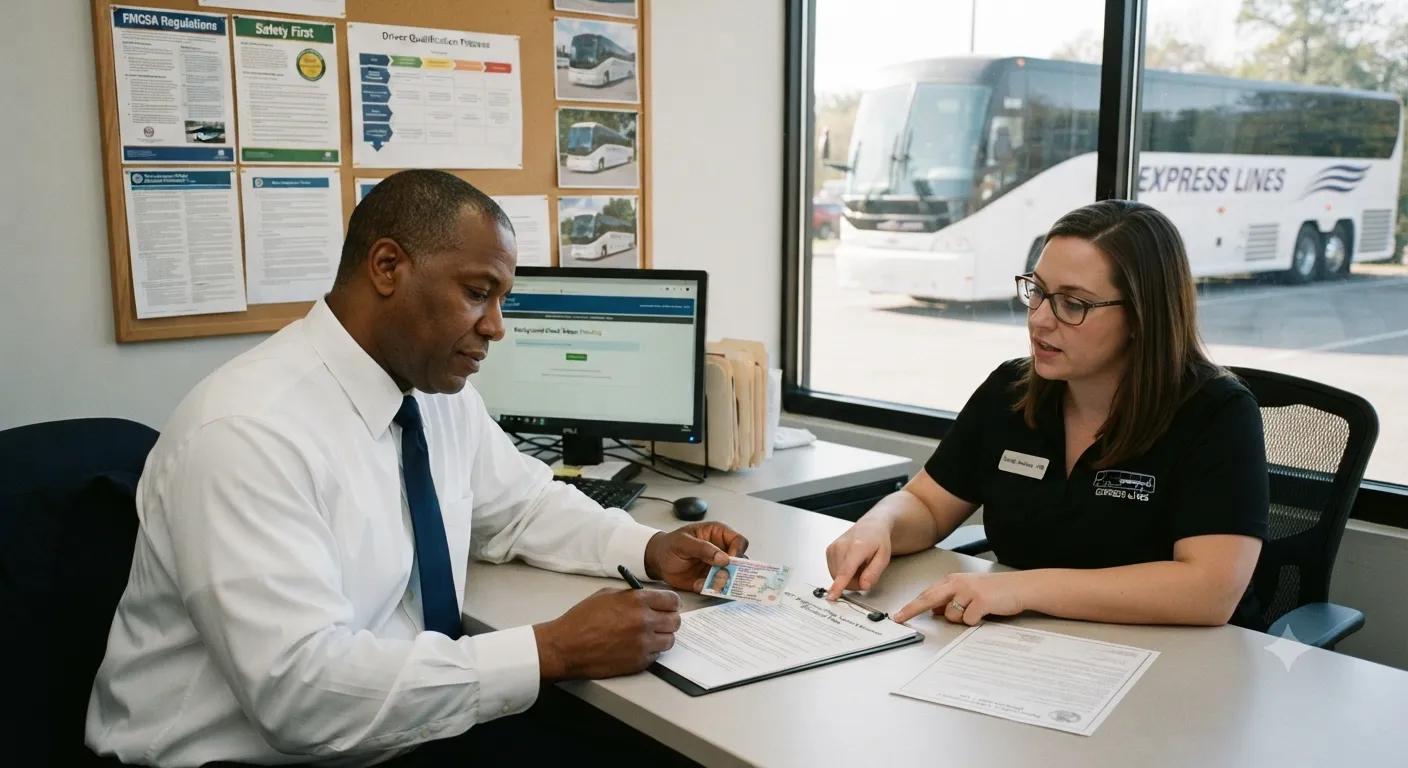
When people book group transportation, they want a comfortable journey as well as confidence in the person operating the vehicle. Driver screening is an important part of professional charter bus operations because it helps transportation companies verify qualifications, review driving history, and comply with applicable commercial transportation requirements. Understanding background checks for charter bus drivers can give passengers and trip organizers a better idea of the procedures involved before a driver is assigned to a trip. For more information, read this guide to charter bus driver background screening.

Why Driver Background Checks Matter
A charter bus driver can be responsible for transporting a large group of passengers across local roads, highways, and interstate routes. Depending on the trip, drivers may encounter heavy traffic, unfamiliar roads, changing weather, construction zones, and long travel distances.
Because commercial passenger transportation involves these responsibilities, driver qualification is an important part of transportation operations. FMCSA establishes minimum qualification requirements for drivers of covered commercial motor vehicles, and motor carriers must maintain driver qualification files for their drivers.
Background screening does not guarantee that an accident will never occur. Instead, it provides transportation companies with information they can use when evaluating whether a driver meets applicable requirements and company standards.
Reviewing a Driver's Motor Vehicle Record
One of the most important parts of commercial driver screening is reviewing the driver's motor vehicle record, commonly called an MVR. This record can contain information about licensing status and driving-related violations.
FMCSA guidance requires carriers to obtain and review applicable driving records. The agency's driver qualification materials also call for annual inquiries and reviews of drivers' records.
Reviewing this information can help an employer identify relevant driving history and determine whether the driver continues to meet applicable qualification requirements. It also provides a documented part of the company's driver oversight process.
Checking Commercial Driving Safety History
State driving records are not the only source of commercial driving information. FMCSA's Pre-Employment Screening Program, known as PSP, provides authorized users with access to certain driver crash and roadside inspection history.
The PSP system provides a driver's five-year crash history and three-year roadside inspection history.
This information can give an authorized carrier additional context when evaluating a prospective commercial driver. It is different from a traditional state motor vehicle record, so the two sources can provide different pieces of information about a driver's history.
For charter bus companies, reviewing relevant commercial safety information can be one part of a broader driver qualification process.
Verifying Commercial Driver Credentials
Background screening also works alongside CDL verification. A driver operating a commercial passenger vehicle must meet the applicable licensing and qualification requirements for the vehicle and type of operation.
FMCSA's passenger-carrier guidance states that Part 391 establishes minimum qualifications for people who drive covered commercial motor vehicles and that carriers must maintain a driver qualification file for each driver they employ.
The qualification file can include information such as the driver's employment application, previous-employer inquiries, annual driving-record reviews, road-test documentation, and medical certification.
This means driver screening is broader than a single background-check database. Different records address different aspects of a driver's qualifications.
Reviewing Previous Employment History
Previous employment and safety performance can also be part of the driver qualification process. FMCSA materials state that carriers must investigate a driver's employment record for the preceding three years and obtain relevant safety-performance information from previous employers.
Reviewing previous professional driving experience can help an employer verify information provided by an applicant and understand the driver's commercial experience.
For a charter bus operation, this information can be relevant because professional passenger transportation requires familiarity with large vehicles, passenger management, route planning, and commercial driving responsibilities.
Drug and Alcohol Screening
Drug and alcohol compliance is another important component of safety-sensitive commercial driving. The FMCSA Drug and Alcohol Clearinghouse contains information about certain drug and alcohol program violations involving CDL and CLP holders.
The Clearinghouse can contain records involving qualifying positive tests, refusals to take required tests, and other violations covered by federal regulations. Employers can use the system to determine whether a prospective or current CDL driver has an unresolved violation that prohibits the driver from performing applicable safety-sensitive functions.
This screening process is separate from a traditional criminal background check, but it plays an important role in commercial driver qualification and compliance.
Pre-Employment and Annual Clearinghouse Checks
For covered CDL drivers, employers have specific Clearinghouse responsibilities. FMCSA requires a pre-employment query before a prospective employee is hired for a position involving safety-sensitive functions such as operating a commercial motor vehicle. Employers must also conduct annual queries for current CDL drivers.
This ongoing approach is important because a driver's compliance status can change after the initial hiring process. Annual checks allow employers to maintain current oversight rather than relying only on information collected when a driver first joins the company.
How Screening Supports Safer Transportation
Background checks can contribute to safer transportation by helping companies identify relevant information before assigning drivers to safety-sensitive duties. Reviewing driving records can reveal applicable violations, while commercial safety records provide additional information about crashes and inspections.
Clearinghouse queries address another specific area by helping employers identify certain drug and alcohol program violations. Employment-history reviews can provide additional information about previous commercial driving experience.
Together, these processes provide a more complete picture than relying on a single record.
It is important, however, to distinguish between screening and safety outcomes. A background check is a risk-management and qualification tool; it does not guarantee that a driver will never be involved in an incident. Safe transportation also depends on vehicle condition, driver training, hours-of-service compliance, route planning, maintenance, and many other operational factors.
Background Checks Are Part of a Larger Safety Program
A charter bus company's approach to safety extends beyond driver screening. FMCSA's passenger-carrier guidance addresses areas such as driver qualifications, hours of service, vehicle inspection, repair, and maintenance.
A well-managed transportation operation therefore combines qualified drivers with properly maintained vehicles and appropriate operational procedures.
Passengers and event organizers can ask transportation providers about their driver qualification procedures, maintenance programs, safety policies, and regulatory compliance. These questions can be especially useful when arranging transportation for school groups, corporate teams, sports organizations, wedding guests, churches, conferences, or large private events.
What Passengers Should Know About Driver Screening
Passengers generally do not need access to individual drivers' private background records. Instead, they can ask the transportation provider how it handles driver qualification and safety compliance.
Questions about CDL verification, motor vehicle record reviews, commercial safety history, previous employment checks, medical qualification, and applicable drug and alcohol screening can help passengers understand the company's general approach.
A professional transportation provider should be able to explain its screening procedures without disclosing confidential personal information about individual employees.
Building Confidence Through Responsible Driver Screening
Background checks for charter bus drivers are an important part of the broader qualification process used in commercial passenger transportation. Motor vehicle records, commercial safety information, previous employment history, CDL verification, medical qualification, and Clearinghouse checks can each address different aspects of driver eligibility and compliance.
FMCSA requires motor carriers to maintain driver qualification information and conduct certain ongoing reviews, while the Clearinghouse provides an additional federal system for identifying applicable drug and alcohol program violations.
For passengers, understanding these procedures can make it easier to ask informed questions before booking group transportation. Ultimately, driver screening works alongside vehicle maintenance, professional training, responsible scheduling, and regulatory compliance to support a well-managed charter bus operation and a more organized travel experience.