

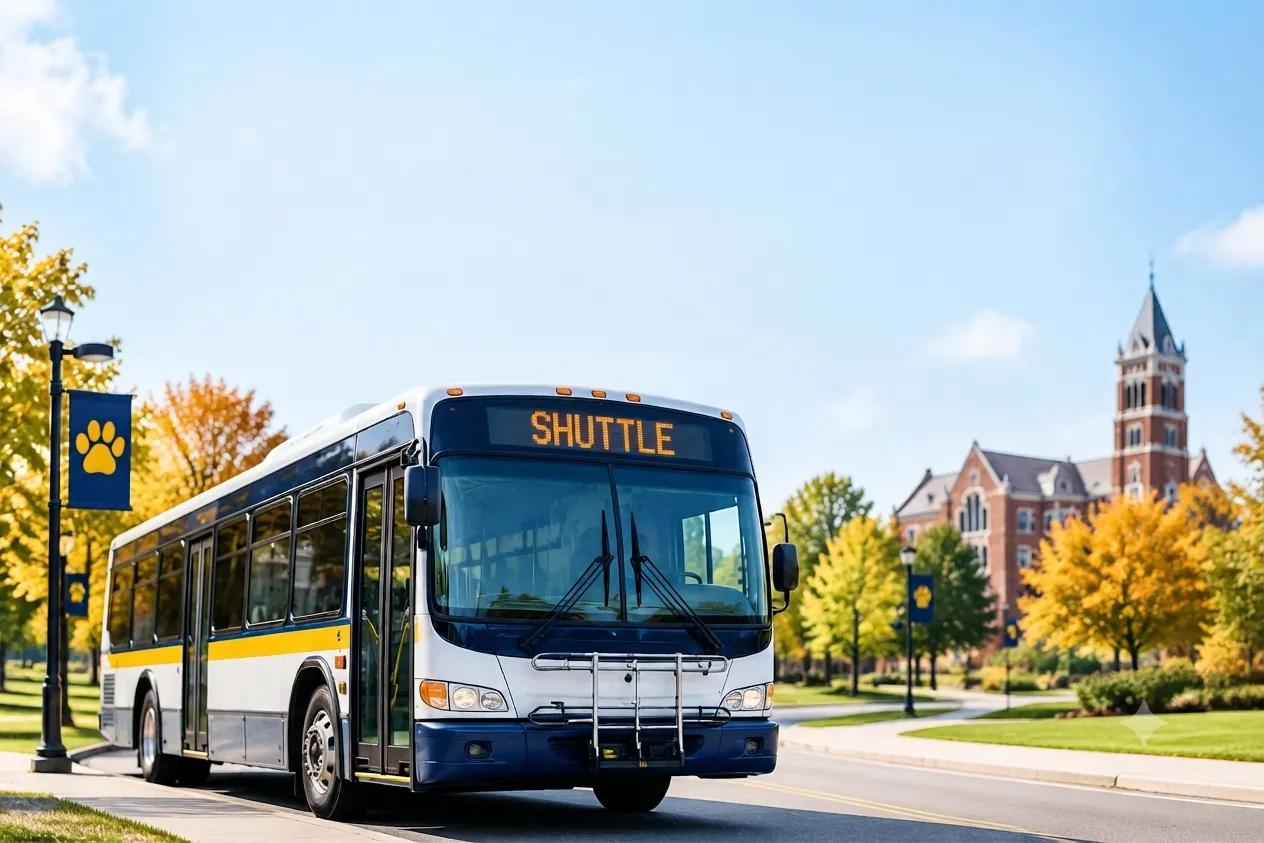
Homecoming Weekend Transportation Made Simple
Homecoming weekend is one of the most anticipated events on a university calendar, bringing together alumni, students, families, faculty, and visitors for several days of activities. From campus traditions and reunions to football games, tailgates, parades, and evening celebrations, attendees may need to travel between multiple locations throughout the weekend. Without a reliable transportation plan, crowded roads and limited parking can quickly create unnecessary stress. Schools preparing for the event can use this homecoming transportation guide to better understand how shuttle services can support alumni, students, and visiting families.

Understanding the Transportation Challenges of Homecoming
Homecoming creates a unique transportation environment because demand changes throughout the weekend. Friday evening may involve hotel arrivals, welcome receptions, and student activities, while Saturday usually brings the largest crowds because of the parade, tailgates, football game, reunions, and campus celebrations.
Transportation demand can increase dramatically before kickoff and immediately after the game. If hundreds or thousands of people attempt to leave at the same time, traffic congestion can make short trips take considerably longer. A planned shuttle system can help distribute passengers between designated locations and reduce the number of individual vehicles entering crowded campus areas.
Build a Transportation Plan Around the Weekend Schedule
The first step in organizing homecoming transportation is reviewing the complete event schedule. Rather than focusing only on the football game, planners should consider every activity that may require group transportation.
Alumni may need transportation from hotels to reunion locations in the morning. Students may need rides from residence halls to the parade or stadium. Families may arrive at remote parking lots and require transportation to campus. Later in the evening, students and alumni may need return transportation from restaurants, concerts, or other approved event locations.
Mapping these movements by time makes it easier to determine when vehicles are needed and where they should be positioned. It also prevents planners from booking transportation based only on the total number of attendees instead of actual peak demand.
Make Hotel Transportation Convenient for Alumni
Returning alumni are often unfamiliar with current campus roads and parking arrangements. Many may stay at hotels located several miles from the university, making driving to every event inconvenient.
A hotel shuttle can connect clusters of nearby hotels with campus locations throughout the weekend. Instead of giving each hotel a separate route, organizers can group properties that are located near one another and establish a practical circulator.
The destination matters as much as the pickup location. Alumni attending a reunion may benefit from being dropped near an alumni center, reunion tent, or designated event entrance rather than at a busy stadium gate. Coordinating these locations with campus facilities staff can help prevent unnecessary walking and confusion.
Accessibility should also be part of the plan. Some alumni may have mobility limitations or prefer to avoid long distances between transportation stops and event venues. Identifying accessibility requirements before the weekend allows the appropriate vehicles to be assigned to specific routes.
Create Dedicated Transportation for Students
Students can have transportation needs that are very different from those of alumni and families. They may travel between residence halls, student activity areas, tailgates, athletic facilities, concerts, and off-campus events.
A simple residence-hall-to-stadium shuttle can be useful when housing areas are located far from the athletic facilities or across major roads. Keeping student routes separate from family park-and-ride services can also make boarding more organized.
Late-night service deserves particular attention. Homecoming celebrations can continue well after the football game, and students may need a dependable way to return to residence halls or approved off-campus housing. A clearly scheduled late-night route gives students a predictable option and can support broader campus safety efforts.
The final departure time should be communicated clearly. Students often plan their evening around the last available shuttle, so schedules should be realistic and buses should remain available until the advertised service ends.
Simplify Transportation for Visiting Families
Families attending homecoming may be visiting the university for the first time. They may arrive with children, strollers, grandparents, or other passengers who make long walks difficult.
Because close campus parking can fill quickly, families may be directed to remote lots, fairgrounds, or other designated parking areas. A park-and-ride shuttle can connect these locations with a campus drop-off point near the stadium or another major event venue.
The route should be as simple as possible. A direct connection between the remote lot and campus generally makes it easier for passengers to understand the service and can reduce the time required for each shuttle loop.
Wayfinding is also essential. Families should see clear signs when entering the parking lot, approaching the shuttle boarding area, and leaving the stadium. The return stop should be especially easy to identify because thousands of people may be leaving the venue simultaneously.
Prepare for Game-Day Traffic
Football game day can dramatically change traffic patterns around campus. Temporary road closures, pedestrian crossings, security checkpoints, tailgating activity, and increased vehicle volume can all affect shuttle routes.
Transportation planners should obtain information about road closures and event restrictions before homecoming weekend. Drivers should receive approved routes and detours in advance so they are not forced to make decisions while navigating heavy traffic.
Post-game transportation requires additional preparation. Vehicles can be staged near approved pickup locations before the game ends so they are ready for the passenger surge. Maintaining additional service during this period can help move attendees away from the stadium more efficiently.
Select Vehicles Based on the Route
The right vehicle depends on the number of passengers, route length, road conditions, and available loading areas. Large charter buses can work well for hotel and campus routes with substantial passenger demand, while smaller shuttle buses or minibuses may be better for short campus routes.
Vehicle size should not be determined by capacity alone. A large coach may carry more passengers but may have difficulty accessing narrow campus roads or smaller parking lots. Smaller vehicles may allow faster boarding and easier maneuvering in crowded areas.
Accessibility requirements should also influence vehicle selection. Organizers should communicate any specific needs to the transportation provider before finalizing the fleet.
Communicate Transportation Details Early
A well-designed transportation system is only effective when passengers understand how to use it. Universities should communicate shuttle information through the channels each audience already uses.
Alumni can receive schedules through reunion emails, hotel front desks, and welcome packets. Students can receive updates through campus apps, residence hall announcements, and student organizations. Families can receive transportation information through parking confirmations, family-weekend emails, and printed maps.
All communications should use the same stop names, operating hours, pickup locations, and final departure times. Consistency prevents passengers from receiving conflicting information.
Plan for Weather and Unexpected Changes
Weather can affect homecoming transportation significantly. Rain may cause more people to use shuttles instead of walking, increasing demand at popular stops. Severe weather may also require event schedules or routes to change.
Universities should establish a clear communication procedure for unexpected conditions. Transportation staff, campus security, event organizers, and drivers should understand who is responsible for making route decisions and communicating changes.
A backup vehicle can also provide valuable flexibility if a scheduled vehicle experiences an unexpected mechanical issue. Having a contingency plan can prevent a minor transportation problem from affecting the entire event.
Conclusion
Homecoming weekend transportation does not have to be complicated when it is planned around the actual movement of alumni, students, and families. Hotel shuttles can help returning graduates reach reunions and campus events, student routes can connect residence halls with activities, and park-and-ride services can make stadium access easier for visiting families.
By analyzing peak transportation periods, selecting appropriate routes and vehicles, preparing for game-day traffic, providing accessible options, and communicating schedules clearly, universities can create a smoother experience for everyone. A dependable shuttle system reduces parking pressure and transportation stress while allowing attendees to focus on the traditions, celebrations, and connections that make homecoming weekend memorable.