

Culinary Institute of America Campus Visits: Transportation Tips for Student Groups
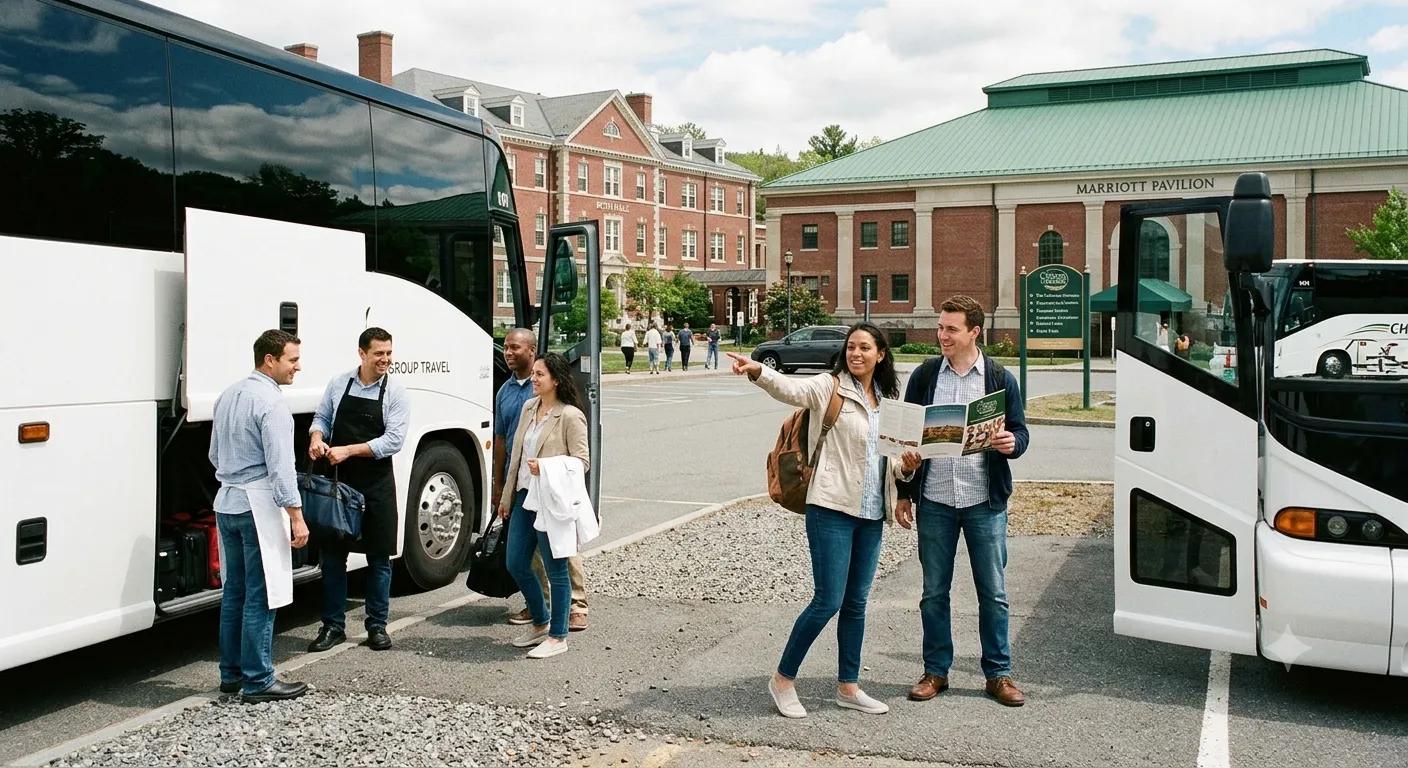
Culinary Institute of America Campus Visits: Transportation
A campus visit can help students connect their academic interests with real educational and career opportunities. For students interested in cooking, baking, restaurant management, and hospitality, visiting the Culinary Institute of America (CIA) in Hyde Park, New York, can be an especially valuable experience. Organizing a successful school or college trip, however, requires careful coordination of transportation, campus reservations, student supervision, and scheduling. Arranging charter bus transportation for Culinary Institute of America campus visits can simplify travel planning, keep students together, and help teachers manage the day's activities more efficiently.

Whether you are coordinating a high school culinary program, a college hospitality department, or a vocational education group, these transportation tips can help you plan a safe, comfortable, and educational outing.
Establish the Purpose of Your Campus Visit
Before making transportation arrangements, determine what students should learn from the experience. Some groups may want to understand the CIA's academic programs and admission process, while others may be interested in culinary careers, professional kitchen environments, and hospitality education.
Identifying your goals helps you choose suitable campus activities and establish a realistic schedule. Teachers can prepare students by introducing the institution, discussing potential career pathways, and encouraging them to prepare questions about culinary education.
Check the CIA's official website for current campus tours, admissions events, and visitor requirements. Confirm whether your group needs advance reservations and whether the available activities can accommodate your student numbers.
Once the purpose and activities are clear, you can coordinate the transportation schedule around confirmed arrangements rather than relying on assumptions about campus access.
Select the Right Charter Bus for Your Student Group
Choosing a suitable vehicle is essential for a smooth campus visit. The best option depends on the number of students, teachers, and chaperones, as well as the journey distance and any accessibility requirements.
A minibus may be appropriate for a small culinary class or vocational training group. A full-size charter bus may be more suitable for a larger school or college delegation. If several classes are attending, the transportation provider can help determine whether one vehicle or multiple buses are needed.
Ask about seating capacity, climate control, storage space, and accessibility features. Make sure the vehicle accommodates every passenger comfortably and meets the group's requirements.
When evaluating transportation companies, request information about driver qualifications, insurance coverage, vehicle maintenance, and relevant safety procedures. Schools should follow their own transportation approval policies and verify that the selected provider meets applicable requirements.
Plan the Route and Departure Time Carefully
A realistic travel schedule helps students arrive on time and reduces pressure on teachers and chaperones. Start by identifying the school's departure point, the destination address, the planned arrival time, and the expected return.
Consider traffic conditions, the distance to Hyde Park, and the time required for boarding. Leaving a reasonable buffer helps accommodate delays without disrupting scheduled campus activities.
Share the complete itinerary with the transportation provider before confirming the booking. Include the pickup address, campus destination, planned stops, and return time. Confirm the designated drop-off and pickup arrangements, along with any parking or driver waiting requirements.
For groups traveling from outside the local area, consider whether restroom breaks or meal stops are necessary. Any additional stops should be discussed in advance so they can be incorporated into the transportation schedule.
Coordinate Campus Tours and Student Activities
Transportation planning should support the educational program rather than determine it. Once the visit is confirmed, coordinate the bus arrival with the campus tour or admissions event.
The CIA's official campus visit information states that many New York campus visits include a walking tour lasting approximately 90 minutes. Tours are primarily outdoors, so students should be prepared for the weather and comfortable walking. Check the latest schedule and instructions before departure, as arrangements can vary.
Teachers should also confirm the meeting location, check-in procedures, and any restrictions affecting group access. If the visit includes an information session or dining experience, allow enough time for each activity.
Prepare students by explaining the itinerary and encouraging them to ask thoughtful questions. This preparation can help them make better use of the visit and connect what they see with their academic interests.
Organize Student Supervision and Attendance
Student supervision is an essential part of educational travel. Before departure, establish clear responsibilities for teachers, chaperones, and group leaders. Everyone should know the schedule, passenger count, meeting points, and communication procedures.
Maintain an accurate student roster and conduct headcounts before leaving school, after scheduled stops, upon arrival, and before returning. Share appropriate emergency contact information with the adults responsible for supervising the group.
Explain expectations for behavior while boarding, traveling, and visiting campus. Students should follow instructions from teachers, chaperones, campus personnel, and the bus driver.
For younger students, make sure supervision arrangements meet school policies. If a participant requires mobility assistance or another accommodation, coordinate the necessary arrangements with the transportation provider and campus staff before the trip.
Prepare a Transportation Budget in Advance
Budget planning helps schools organize trips without unexpected financial pressure. Request a detailed charter bus quote that includes the travel date, passenger count, pickup location, destination, expected return time, and any additional stops.
Ask whether the price includes mileage, tolls, parking, driver waiting time, and other potential charges. Review payment deadlines, cancellation policies, and procedures for changing the schedule.
Compare providers based on vehicle suitability, safety information, service quality, and total cost. The lowest initial quote may not offer the best value if essential services or requirements are excluded.
Schools should also account for any admission fees, meals, or other educational activities. Once costs are confirmed, communicate relevant details to administrators and parents according to school procedures.
Share Clear Instructions Before Departure
A successful campus visit depends on participants knowing what to expect. Distribute the itinerary in advance and include the pickup address, boarding time, expected return, organizer's contact details, and any special instructions.
Remind students to arrive early and bring only what they need for the day's activities. Since campus tours may include outdoor walking, appropriate footwear and weather-ready clothing can improve comfort.
Confirm the bus reservation shortly before departure and make sure the driver has the latest schedule. Keep booking confirmations and essential contact information available in case plans change.
A final attendance check and a brief review of the day's arrangements can help the group depart in an organized manner.
Conclusion
Planning a Culinary Institute of America campus visit requires coordination between school administrators, teachers, transportation providers, and campus staff. Establishing educational goals, confirming tour availability, selecting an appropriate charter bus, and preparing students in advance can make the experience more organized and productive.
Reliable group transportation helps keep students together, simplifies travel logistics, and allows teachers to focus on supervision and learning objectives. By booking early, creating a realistic itinerary, and communicating clearly, schools and colleges can arrange a comfortable and rewarding campus visit.
With thoughtful preparation, a trip to the Culinary Institute of America can inspire students to pursue their culinary interests, learn about hospitality careers, and take meaningful steps toward their educational goals.