

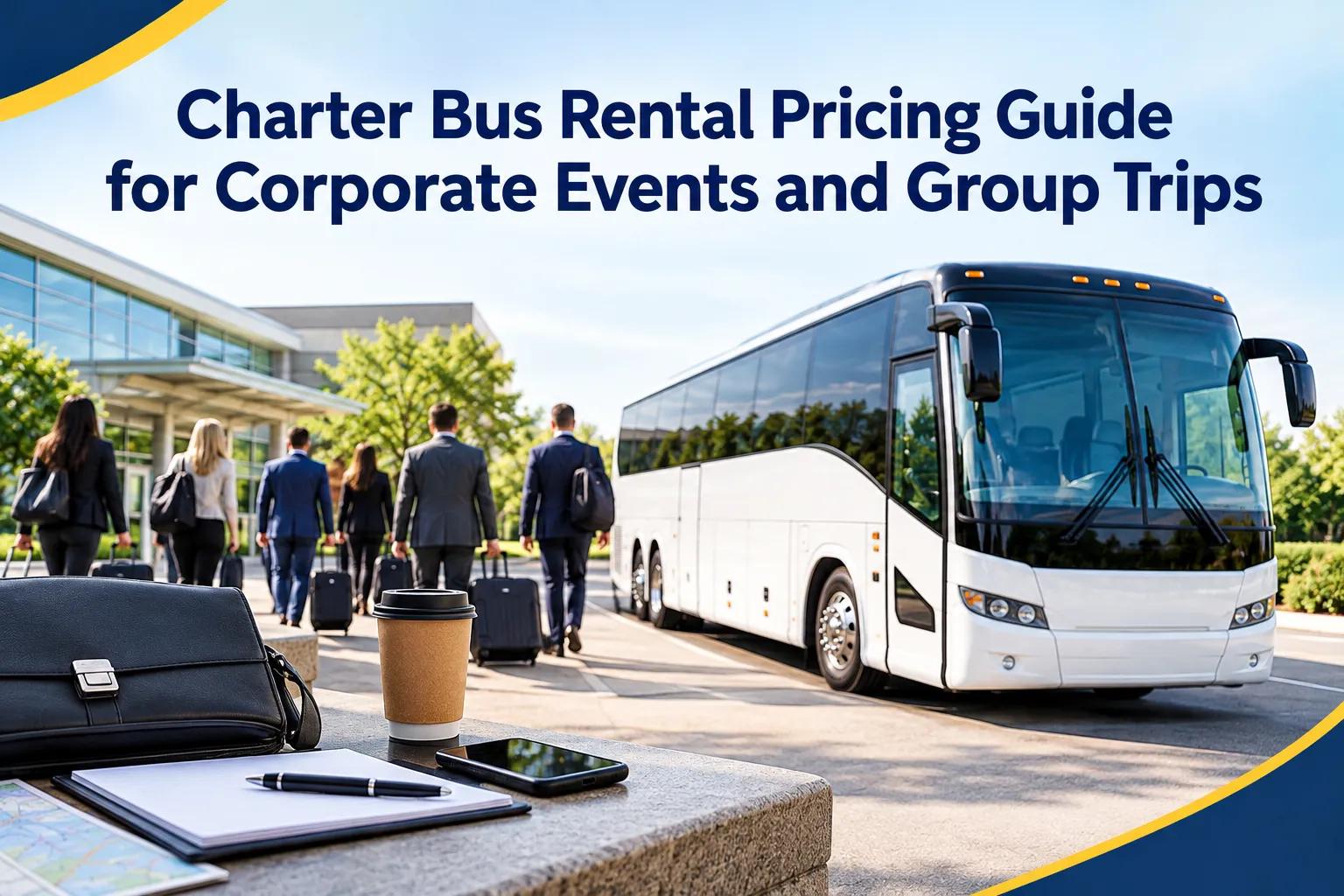
Charter Bus Rental Pricing Guide for Corporate Events
Organizing transportation for a corporate event or group trip requires careful planning, particularly when multiple passengers need to arrive at the same destination on schedule. Whether you are coordinating a business conference, employee outing, team-building retreat, wedding, or private group excursion, understanding transportation expenses helps you prepare a realistic budget. Reviewing corporate charter bus rental costs can help you compare service providers, choose an appropriate vehicle, and make informed decisions about your transportation arrangements.

Charter bus rental prices vary according to the trip's distance, duration, vehicle capacity, travel dates, and additional service requirements. By understanding how these factors influence the final quote, event planners and group organizers can balance affordability, convenience, and passenger comfort.
How Charter Bus Pricing Works for Corporate Events
Charter bus companies generally calculate rental costs using hourly rates, daily rates, mileage-based pricing, or customized packages. The appropriate pricing structure depends on the type of event, the itinerary, and the amount of time the vehicle is required.
Hourly pricing is commonly used for local corporate transportation, including employee shuttles, business meetings, airport transfers, and evening functions. Some providers require a minimum booking period, even if the actual transportation service takes less time.
Daily rates may be more suitable for conferences, company retreats, trade shows, and events that require transportation throughout the day. For longer-distance group trips, pricing may depend on mileage, driving hours, or a customized arrangement covering the complete journey.
Before requesting a quote, determine whether you need a one-way transfer, round-trip service, recurring shuttle, or multi-day rental. This helps transportation providers recommend the most appropriate pricing model.
Vehicle Size and Passenger Capacity
The type and size of the bus significantly influence the rental price. Smaller minibuses are often suitable for executive teams, department outings, and smaller business groups. Full-size motorcoaches are generally better for larger conferences, company-wide events, and trips involving many passengers.
Although larger buses typically have higher operating costs, they can offer better value per person when the seats are shared among a larger group. Booking several smaller vehicles may increase the total expense because each vehicle requires its own driver and operating resources.
Corporate planners should consider the expected passenger count, luggage requirements, accessibility needs, and distance traveled before selecting a vehicle. Amenities such as reclining seats, onboard restrooms, Wi-Fi, charging outlets, and spacious luggage compartments may also affect availability and pricing.
Choosing a vehicle that matches the group's actual needs helps prevent unnecessary spending while ensuring that employees, clients, and guests travel comfortably.
Distance, Duration, and Route Requirements
Distance and rental duration are important components of charter bus pricing. Longer journeys generally require more fuel, additional driver time, and greater vehicle usage. However, the total cost also depends on how long the bus must remain available.
For example, a company arranging transportation between an airport and a hotel may need only a scheduled transfer. A conference organizer, on the other hand, might require repeated trips between several hotels and the convention center throughout the day.
Multiple stops, extended waiting periods, and changes to the original itinerary can increase expenses depending on the rental agreement. The distance between the operator's depot and the pickup location may also affect pricing if the vehicle must travel additional miles before reaching the group.
Providing a detailed itinerary helps the provider calculate the expected service requirements. Confirming pickup locations, departure times, return arrangements, and planned stops in advance also makes coordination easier.
Travel Dates and Seasonal Demand
The timing of a corporate event can affect both vehicle availability and rental rates. Major conventions, trade shows, graduation periods, holiday celebrations, and large sporting events can increase demand for group transportation.
Weekends and peak event dates may be more expensive than less busy periods in some markets. Last-minute reservations can also limit vehicle choices, especially when an event requires multiple buses or specialized amenities.
Corporate planners should begin arranging transportation as soon as event dates and venues are confirmed. Early planning provides more time to compare quotes, coordinate pickup schedules, and secure suitable vehicles.
If the event schedule is flexible, requesting quotes for alternative dates or departure times may help identify more affordable options. Actual savings depend on local demand and provider availability, so confirming rates directly remains essential.
Additional Fees and Services to Consider
The initial rental quote may not include every expense associated with the trip. Depending on the transportation provider and itinerary, additional charges may apply for tolls, parking, driver accommodations, extended service hours, or itinerary changes.
Corporate events may also require special arrangements, such as additional luggage capacity, venue-specific pickup procedures, or repeated shuttle service during busy arrival and departure periods. These requirements should be discussed before the reservation is confirmed.
Some companies include certain operating expenses in their quoted rates, while others list them separately. Organizers should therefore request an itemized estimate showing the base rental cost, included services, potential extra charges, and applicable taxes.
It is also important to review cancellation policies, deposit requirements, payment deadlines, and overtime charges. Understanding these terms helps businesses avoid unexpected expenses and maintain accurate event budgets.
Budgeting for Employee Shuttles and Corporate Group Trips
Employee transportation and corporate group trips may require different budgeting approaches. A one-time company outing typically involves a defined pickup time, destination, and return schedule. An employee shuttle program may require recurring service between offices, hotels, parking facilities, or public transportation hubs.
For recurring transportation, planners should evaluate the number of passengers, frequency of service, route length, and daily operating hours. A customized agreement may be more appropriate than arranging separate rentals for every journey, although the best option depends on the schedule and provider.
For conferences and trade shows, transportation demand can fluctuate throughout the day. Scheduling additional buses during peak arrival and departure periods may improve passenger flow, while carefully planned shuttle intervals can reduce unnecessary vehicle use.
Comparing transportation expenses on a per-passenger basis can also help businesses assess value. The total rental cost divided by the number of travelers provides an estimated individual transportation expense, making it easier to compare options.
How to Get the Best Value From a Charter Bus Rental
The most effective way to manage transportation costs is to prepare a complete itinerary before requesting quotes. Confirm passenger numbers, pickup locations, travel dates, departure times, and the expected duration of service.
Request estimates from multiple providers using identical trip details. This makes it easier to compare vehicle specifications, included amenities, additional charges, and service arrangements fairly.
Avoid choosing a provider solely because of the lowest initial price. A slightly higher quote may offer better value if it includes necessary services or provides a vehicle that better suits your group.
Booking early, coordinating pickup locations, and avoiding unnecessary itinerary changes can also help control expenses. For corporate events, maintaining clear communication between the transportation provider, event coordinator, and venue team helps ensure a smoother experience.
Conclusion
Charter bus rental pricing for corporate events and group trips depends on vehicle size, distance, rental duration, travel dates, and additional service requirements. Understanding these factors helps event planners prepare realistic budgets and choose transportation that meets their operational needs.
The best approach is to establish a clear itinerary, compare itemized quotes, and confirm all potential charges before booking. With careful planning and the right vehicle, businesses and group organizers can arrange comfortable, reliable transportation while keeping expenses under control