

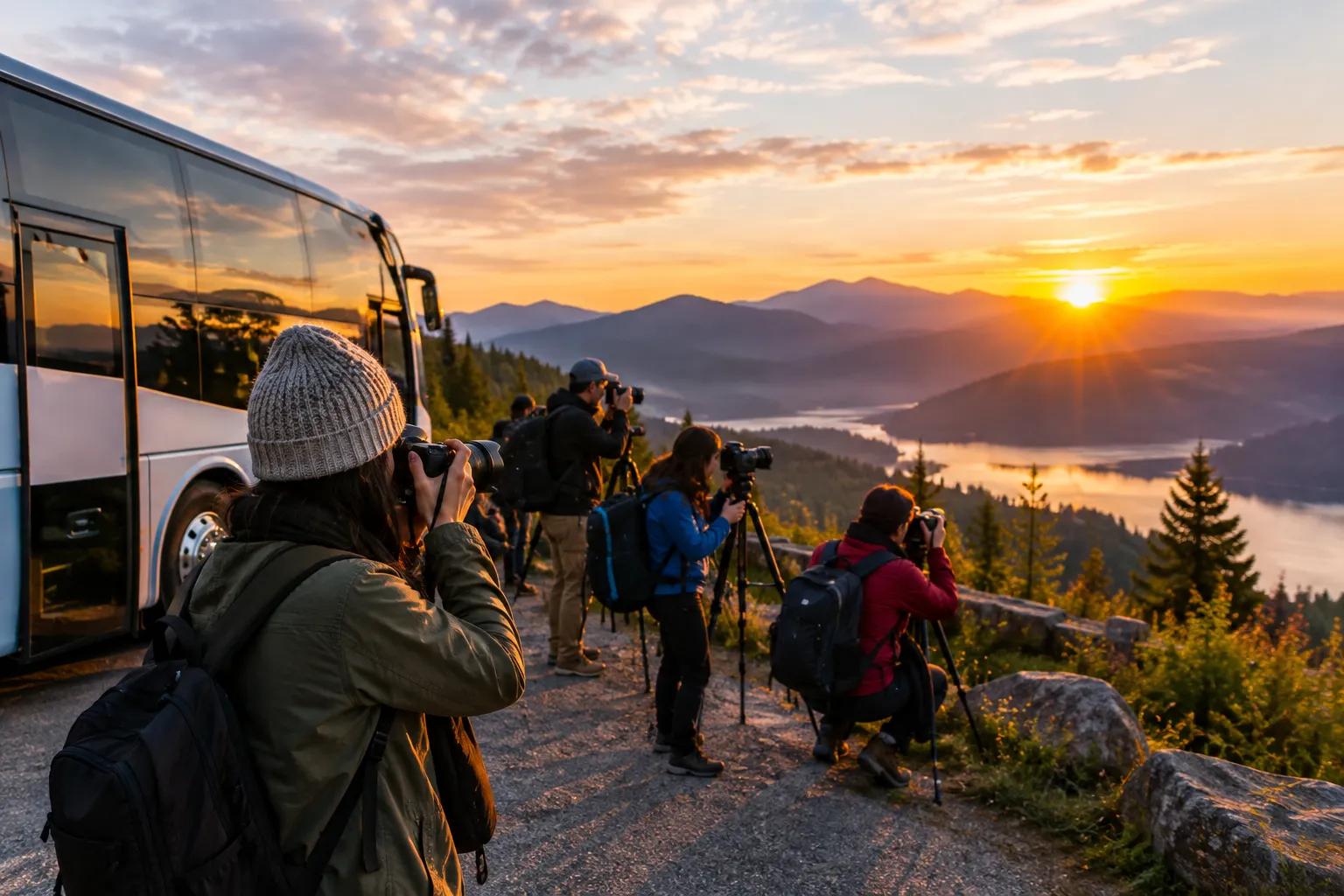
A Photographer’s Guide to Organizing Group Trips
Scenic photography trips give photography enthusiasts an opportunity to capture breathtaking landscapes, beautiful sunrises, dramatic coastlines, and unique natural surroundings. Whether a photography club is planning a weekend getaway, a nature photography workshop, or a day trip to a nearby national park, successful planning can make the experience more enjoyable for everyone. Organizing transportation, selecting suitable destinations, and protecting valuable equipment are essential parts of the process. Arranging organized transportation for photography club outings can help groups coordinate their travel schedules while keeping the focus on photography rather than logistical challenges.

Group trips also provide opportunities for photographers to share techniques, learn from experienced members, and develop creative ideas together. With a practical itinerary and reliable transportation arrangements, organizers can create a smooth travel experience that allows participants to spend more time capturing memorable images.
Choose Scenic Locations That Match Your Photography Goals
The first step in organizing a successful photography trip is selecting destinations that match the group's interests. Landscape photographers may prefer mountains, lakes, forests, and coastal viewpoints, while wildlife photographers might prioritize nature reserves and national parks. Architecture enthusiasts may enjoy historic districts, bridges, and distinctive buildings.
Before finalizing the destination, consider the type of images participants want to capture. A location known for sunrise photography may require an early departure, while a waterfall or forest destination might offer better opportunities throughout the morning. Sunset and night photography may require the group to remain at the destination later in the evening.
Research each location carefully and check its accessibility, parking arrangements, opening hours, and photography restrictions. Some destinations require permits or reservations, while others have limited vehicle access. Confirming these details in advance can prevent unexpected delays and help the group choose realistic destinations.
Create a Practical Photography Itinerary
A well-organized itinerary helps photography groups make the most of their time at each location. Rather than scheduling too many stops, prioritize a few destinations that offer strong photographic opportunities.
Start by identifying the most important shooting sessions. Sunrise and sunset photography often require precise timing, so plan transportation around the available natural light. Check the local sunrise and sunset times for the travel date and allow sufficient time for the group to reach the shooting area before the desired conditions begin.
The itinerary should also account for travel time between locations, meal breaks, equipment preparation, and opportunities to rest. If the group plans to visit several scenic viewpoints, organize the route according to geographic proximity to avoid unnecessary driving.
Share the itinerary with participants before departure. Include meeting points, estimated arrival times, planned photography sessions, and the expected return time. A clear schedule helps everyone prepare and reduces confusion during the trip.
Arrange Transportation for the Entire Group
Transportation can significantly influence the success of a photography excursion. When participants travel in separate cars, organizers may need to coordinate multiple departure times, manage different routes, and find parking for several vehicles. These challenges can be particularly inconvenient when visiting busy scenic destinations or locations with limited parking.
A charter bus provides a shared transportation option that allows participants to travel together. The group can follow one coordinated itinerary, making it easier to manage arrival times and communicate schedule changes.
When selecting transportation, consider the number of passengers, travel distance, road conditions, and the amount of photography equipment involved. A minibus may suit a smaller club, while a larger charter bus may be more appropriate for a substantial group.
Discuss the itinerary and equipment requirements with the transportation provider before booking. Confirm that the vehicle can accommodate the passengers and their belongings, and verify whether the planned destinations allow the vehicle to enter or park nearby.
Protect Cameras, Lenses, and Other Equipment
Photography equipment requires careful handling throughout the journey. Cameras, lenses, tripods, drones, filters, lighting accessories, and memory cards can represent a significant investment, so protecting them should be a priority.
Encourage participants to use padded camera bags and protective cases for delicate equipment. Store small accessories in designated compartments to prevent them from becoming misplaced during transit. Tripods and other bulky items should be secured appropriately rather than left loose inside the vehicle.
Before booking transportation, explain the group's storage needs and ask about available luggage compartments. Storage capacity varies by vehicle, and organizers should never assume that every bus can accommodate the same amount of equipment.
Keep frequently used items accessible so participants can prepare quickly after arriving at a scenic location. At the same time, ensure that bags and equipment do not obstruct aisles, emergency exits, or passenger seating areas.
Prepare for Weather and Changing Light Conditions
Weather can dramatically affect the appearance of a landscape. Morning mist, overcast skies, changing cloud formations, and seasonal colors may create excellent photographic opportunities, but unfavorable conditions can also disrupt a carefully planned itinerary.
Check the weather forecast before departure and continue monitoring conditions as the trip approaches. Participants should bring clothing appropriate for the destination, including waterproof jackets, suitable footwear, and extra layers for cold mornings.
Protective camera covers and microfiber cloths can help safeguard equipment from moisture. For outdoor locations, organizers should also consider terrain, walking distances, and the availability of sheltered areas.
A flexible itinerary is especially valuable when weather conditions change. Identify alternative locations that offer different photographic opportunities, such as a forest trail when a mountain viewpoint becomes obscured by clouds. Having backup options allows the group to adapt without abandoning the entire outing.
Keep Participants Organized and Informed
Communication is essential when multiple photographers travel together. Participants may have different experience levels, equipment requirements, and preferences regarding the length or difficulty of a photography session.
Assigning a trip coordinator helps maintain organization. This person can confirm attendance, distribute the itinerary, communicate important updates, and make sure participants understand the departure and return arrangements.
A shared messaging group can be useful for distributing meeting details and last-minute changes. Organizers should also establish clear regrouping times and meeting points at each destination, particularly when participants plan to photograph different subjects independently.
Before departure, remind everyone to charge camera batteries, prepare memory cards, check essential equipment, and bring any necessary personal supplies. These simple preparations can prevent avoidable interruptions during the trip.
Make Group Travel Comfortable and Budget-Friendly
Transportation costs should be considered alongside admission fees, meals, parking, permits, and other trip expenses. Requesting a transportation quote early gives organizers time to compare suitable options and establish a realistic budget.
When requesting a charter bus quote, provide accurate information about passenger numbers, pickup locations, travel dates, expected mileage, stops, and equipment requirements. Ask about applicable fees, waiting time, driver expenses, and cancellation policies so that the group understands the overall cost.
Sharing transportation expenses among participants may simplify budgeting, although actual savings depend on the group size, route, vehicle type, and booking terms.
Comfort also matters, particularly when a photography trip involves early departures or long-distance travel. Confirm available amenities before booking and schedule appropriate breaks for longer journeys. A comfortable journey can help participants arrive prepared for the physical and creative demands of outdoor photography.
Conclusion
Organizing a group photography trip to scenic locations requires thoughtful planning, from choosing destinations and arranging transportation to protecting equipment and preparing for changing weather. A practical itinerary helps photographers make the most of natural lighting conditions while leaving enough flexibility to enjoy unexpected opportunities.
By coordinating travel schedules, confirming equipment storage arrangements, and maintaining clear communication, photography clubs can reduce logistical difficulties and create a more enjoyable experience for every participant. With suitable transportation and careful preparation, the group can focus on capturing beautiful landscapes, improving photography skills, and building lasting memories together.